Saltar al contenido principal

La Bombona Diving Koh Tao

Best Time To Dive Koh Tao: Your Complete Seasonal Diving Guide

Por Bryan Roseman

Modified 13th June 2025

Principales conclusiones

  • Best overall window: March–May and September–October offer the calmest seas and best visibility (20–30m+) of the year.
  • Single best month: April, peak visibility, warmest water, and the highest whale shark activity, though also the busiest and priciest.
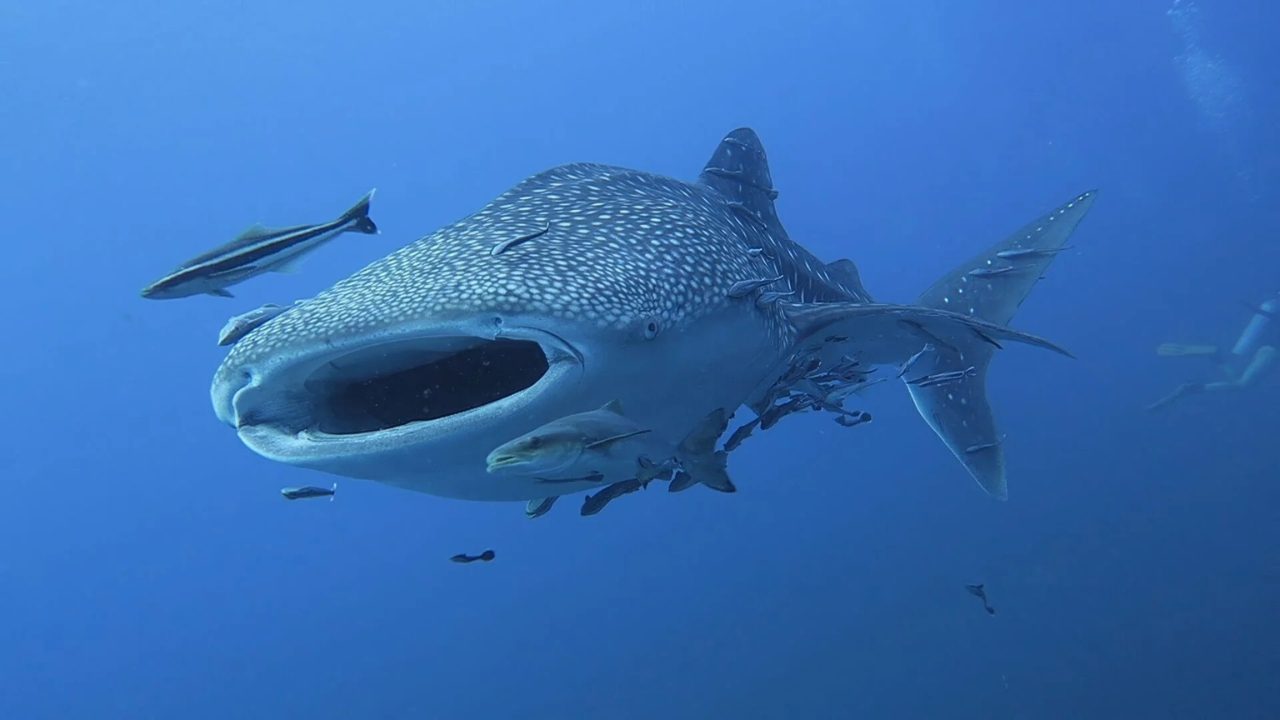
  • Whale sharks: Best chances are March–April and September–October, driven by seasonal plankton blooms.
  • Monsoon season: November–January brings rougher seas and lower visibility (5–15m), but diving still runs daily by shifting to sheltered sites.
  • Best value: February and October–November combine solid conditions with lower accommodation and course rates.
  • Water temperature: Stays warm year-round (26–30°C). A 3mm shorty wetsuit covers most months.
  • Beginners: March–May gives the calmest, most predictable conditions for certification courses.
  • Site access shifts by season: Outer pinnacles (Chumphon, Southwest, Sail Rock) run March–October. Sheltered east-coast and southwest sites take over during monsoon.

Choosing the best time to dive Koh Tao significantly impacts your underwater adventure on Thailand’s premier diving destination. This tropical paradise in the Gulf of Thailand experiences distinct seasonal patterns that affect visibility, marine life encounters, and overall diving conditions. Knowing how the seasons change will help you plan your journey to Koh Tao

Whether you’re seeking optimal diving conditions for your certification, hoping for whale shark encounters, or looking for budget-friendly options, timing your visit strategically can transform your diving experience from good to extraordinary. Understanding Koh Tao’s weather patterns is essential for planning the perfect diving adventure.

So, here we will dive into everything you need to know about the best time to dive in Koh Tao. 
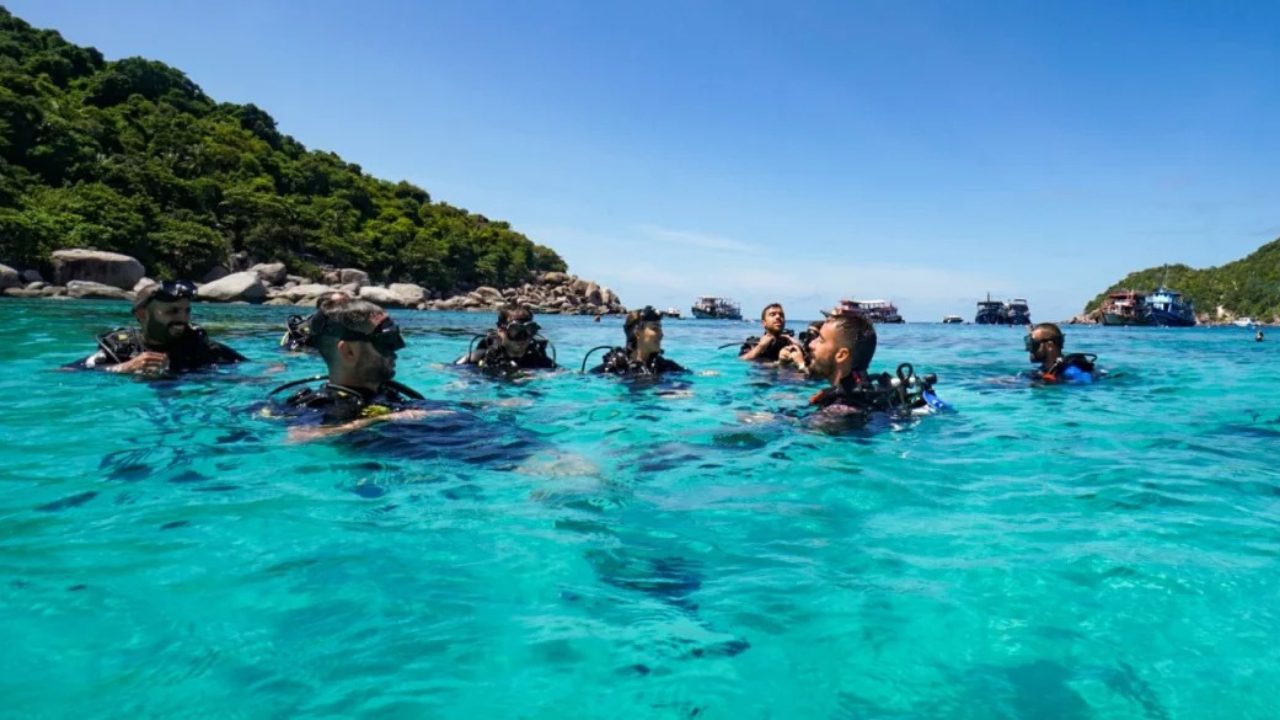
Diving conditions in Koh Tao

Seasonal Overview: When to Visit Turtle Island

Koh Tao Diving Calendar

Jan
Feb
Mar
Apr
May
Jun
Jul
Aug
Sep
Oct
Nov
Dec
Hot Season
Shoulder Season
Monsoon Season
SeasonMonthsVisibilitySea ConditionsWater TempMarine Life
Hot SeasonMar – Sep20-30mCalm & Clear28-30°CExcellent
Whale Shark SeasonMar-Apr, Sep-Oct15-25mGood28-29°CPeak Encounters
Shoulder SeasonFeb, Oct-Nov10-20mVariable26-28°CGood
Monsoon SeasonNov – Jan5-15mChangeable26-27°CVariable

Hot Season: The Golden Window (March-September)

The best time to dive in Koh Tao occurs during this extended hot season, when the island showcases its underwater magnificence at its finest. Koh Tao’s reputation as a world-class diving destination was built on the consistent conditions experienced during these months.

✓ Advantages

  • Exceptional 25-30m visibility
  • Calm, glass-like seas
  • Consistent weather patterns
  • Perfect 28-30°C water temperature
  • Prime whale shark season

⚠ Considerations

  • Higher accommodation costs
  • More crowded dive sites
  • Advanced booking required
  • Peak pricing periods
June – September: Reliable Excellence
Consistent Conditions

✓ Advantages

  • Steady 20-25m visibility
  • Reliable diving schedule
  • Warm water temperatures
  • Excellent for training courses
  • Great marine life diversity

⚠ Considerations

  • European summer crowds
  • Higher overall costs
  • Limited last-minute availability
  • Busy sitio de buceo schedules

Seasonal diving in Koh Tao

Marine Life Seasonal Patterns

When to Spot Koh Tao’s Marine Residents

Understanding seasonal marine life patterns helps you plan encounters with specific species during the best time to dive Koh Tao for your interests.

🦈
Whale Sharks
Mar-Apr, Sep-Oct
🐢
Sea Turtles
Year-round
🦅
Eagle Rays
Dec-Feb
🐙
Cuttlefish
Feb-Apr
🦈
Blacktip Sharks
Apr-Aug
🐌
Nudibranchs
Year-round

Visibility Throughout the Year

Monthly Visibility Ranges

10m
15m
25m
30m
30m
25m
23m
20m
18m
15m
8m
6m
Jan
Feb
Mar
Apr
May
Jun
Jul
Aug
Sep
Oct
Nov
Dec

Budget-Friendly Alternatives

While the hot season offers the best time to dive Koh Tao for optimal conditions, budget-conscious divers can find excellent value during shoulder seasons without completely sacrificing the diving experience.

February: The Hidden Gem

February often surprises visitors as one of the best times to dive Koh Tao for value seekers. As the island emerges from monsoon season, reefs appear refreshed, and marine life becomes increasingly active. Visibility typically ranges from 15-20 meters, while accommodation costs drop significantly from peak season rates.

October-November: Transition Period Benefits

The transition into monsoon season offers another excellent window for budget diving. Early October often maintains good visibility and calm conditions, while late October through November provides opportunities for unique marine encounters as changing conditions attract different species.

Monsoon Season Reality (November-January)

While traditionally considered the challenging period, monsoon season still offers diving opportunities for flexible travelers. The rich marine ecosystem of Koh Tao continues to thrive during these months, though with more variable conditions.

Eastern dive sites often remain accessible when western locations experience rougher conditions, and the reduced number of divers creates opportunities for more intimate underwater encounters. Advanced divers particularly appreciate the challenge and rewards of diving during this period.

Koh Tao Diving Month by Month 
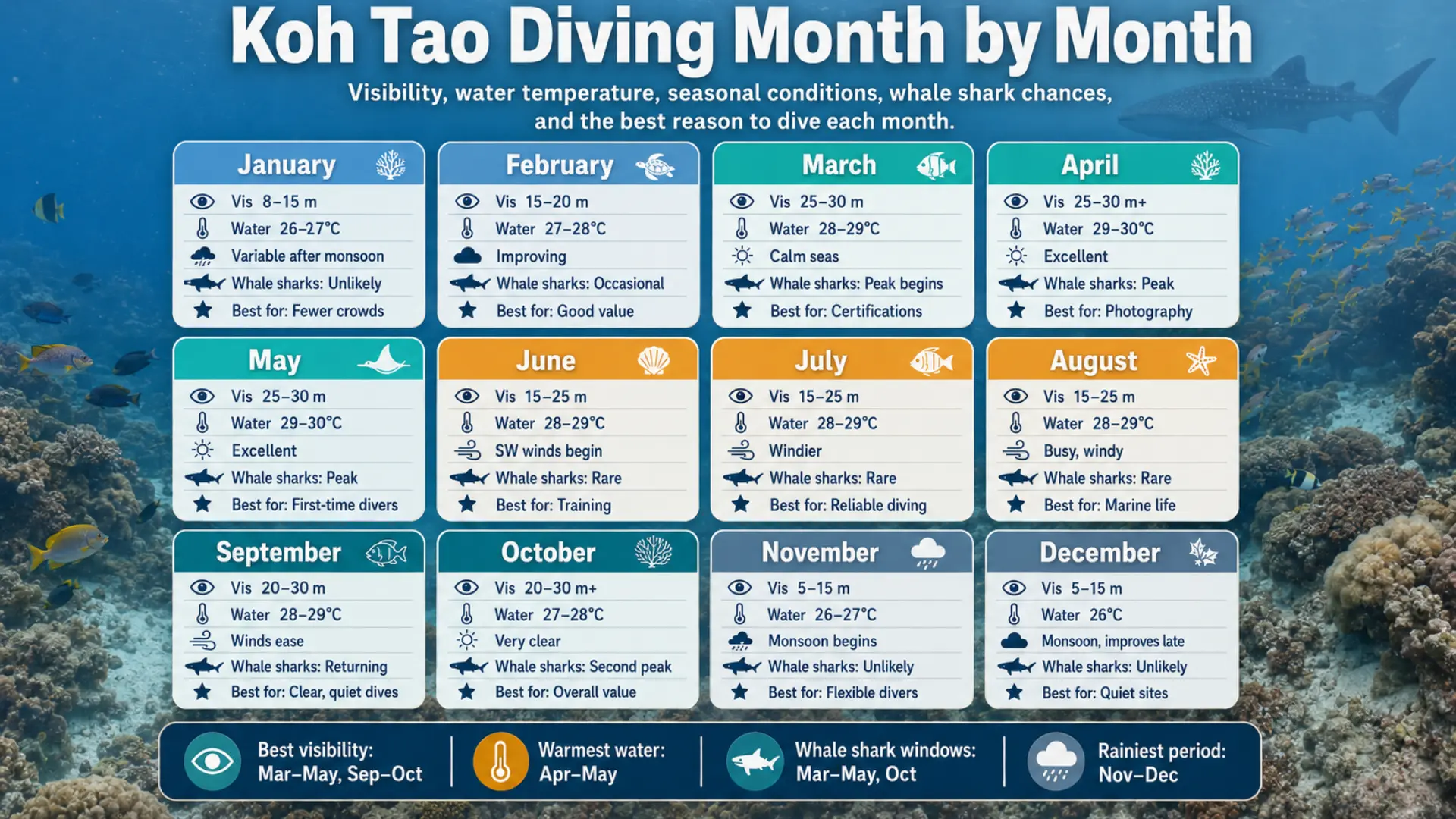
Koh Tao Diving Month by Month

If you want the answer for one specific month, this table covers every month of the year. 

Month 

Visibility 

Water Temperature

Conditions 

Whale Sharks 

Best For 

January 

8-15m

26–27°C

Seas calming after monsoon, still variable

Unlikely

Fewer crowds, budget diving

February 

15–20m

27–28°C

Improving fast, often glassy 

Occasional 

Value + good conditions combo

March 

25–30m

28–29°C

Calm, flat seas

Peak season begins

Certifications, whale sharks

April 

25–30m+

29–30°C

Best conditions of the year

Peak

Photography, first-time divers

May 

25–30m

29–30°C

Best conditions of the year

Peak

Photography, first-time divers

June 

15–25m

28–29°C

Southwest wind begins, east coast sheltered

Rare

Training courses, quieter boats

July 

15–25m

28–29°C

Windier, boats shift to east coast

Rare

Reliable diving despite wind

August 

15–25m

28–29°C

Similar to July, busiest month

Rare

Marine life diversity

September

20–30m

28–29°C

Wind drops, visibility climbing

Returning

Quiet boats, excellent clarity

October

20–30m+

27–28°C

Often the clearest water of the year

Peak (2nd window)

Best overall value-to-conditions ratio

November

5–15m

26–27°C

Northeast monsoon begins, unpredictable 

Unlikely 

Flexible, adventurous divers

December 

5–15m

26°C

Peak monsoon, improves late month

Unlikely 

Quiet sites, off-season rates 

Which Dive Sites Work Best Each Season
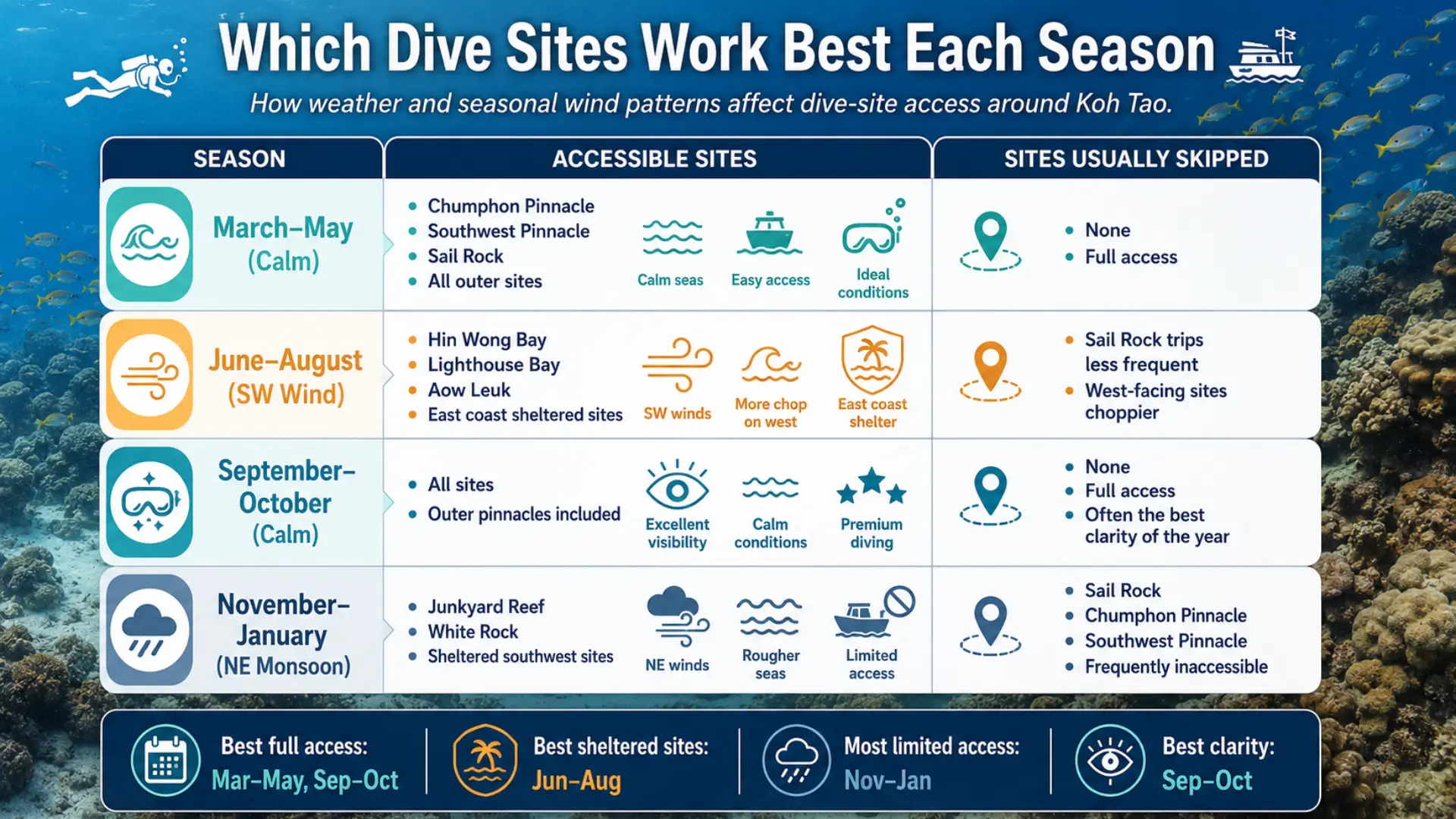
Which Dive Sites Work Best Each Season

Season 

Accessible Sites 

Sites Usually Skipped 

March-May (calm)

Chumphon Pinnacle, Southwest Pinnacle, Sail Rock, all outer sites 

None, full access 

June–August (SW wind)

Hin Wong Bay, Lighthouse Bay, Aow Leuk (east coast, sheltered)

Sail Rock trips less frequent, west-facing sites choppier

September–October (calm)

All sites, including outer pinnacles

None, full access, often the best clarity of the year

November–January (NE monsoon)

Junkyard Reef, White Rock, sheltered southwest sites

Sail Rock, Chumphon Pinnacle, Southwest Pinnacle, frequently inaccessible

🌊 Ready to Experience Koh Tao’s Best Diving Seasons?

Whatever season you choose to visit, La Bombona Diving ensures exceptional underwater experiences year-round!

Our experienced team knows exactly when and where to dive based on current conditions, maximizing your chances of incredible encounters regardless of the season.

  • Expert local knowledge of seasonal conditions
  • Flexible scheduling around weather patterns
  • Access to all dive sites year-round
  • Experienced guides who know the best seasonal spots
  • Modern equipment suitable for all conditions
  • Small group sizes for personalized attention
  • Multiple certification levels available
  • Comprehensive safety protocols for all seasons

Open Water Certification: ฿11,000 – Perfect for any season

Start Your Diving Adventure

4 ocean dives over 4 days | All equipment included | Year-round availability

Preguntas frecuentes
What is absolutely the best time to dive Koh Tao for beginners?
April and May represent the optimal months for beginner divers visiting Koh Tao. During this period, the combination of exceptional visibility (25-30 meters), calm seas, and stable weather creates ideal learning conditions. The water temperature remains a comfortable 28-30°C, requiring only minimal thermal protection, while the predictable conditions allow instructors to focus entirely on skill development rather than managing challenging environmental factors.
 
While popular dive sites can become busy during hot season (especially July-August), experienced dive centers like La Bombona Diving mitigate crowding through strategic scheduling and alternative site selection. Early morning departures often provide access to sites before crowds arrive, while having multiple boat options allows flexibility to visit less frequented locations. The increased number of divers also means more frequent boat schedules and greater availability of specialized courses, which can actually enhance the overall experience for many visitors.
 
Experienced divers often find monsoon season (November-January) particularly rewarding despite the challenges. The changing conditions attract unique pelagic species not commonly seen during calmer months, while the reduced number of divers creates opportunities for more intimate encounters with marine life. Eastern dive sites like Hin Wong Bay frequently remain accessible even when western locations experience rough conditions, and the dramatic underwater topography becomes even more impressive when enhanced by dynamic lighting conditions created by variable weather patterns above.
 
Dive course prices typically remain stable year-round at reputable centers, but accommodation costs fluctuate significantly with seasonal demand. Peak season sees accommodation costs increase 30-50% above low season rates, particularly during European summer holidays (July-August) and around major holidays. The best value periods occur during February and October-November, when many dive centers offer package deals combining courses with accommodation. However, the consistent pricing of diving courses means that choosing shoulder seasons primarily saves money on lodging and meals rather than certification costs.
 
Best Time To Dive Koh Tao: Your Complete Seasonal Diving Guide
Whale shark sighting probability peaks during two distinct periods: late March through early May and mid-September through October. These timeframes correspond with plankton bloom cycles that attract these gentle giants to feed around Koh Tao’s pinnacles, particularly Chumphon Pinnacle, Southwest Pinnacle, and Sail Rock. While sightings can never be guaranteed, diving during these months increases your chances significantly, with some periods showing whale shark encounter rates of 15-20% compared to 2-5% during other times of the year. The transition periods between seasons create the optimal conditions that concentrate the phytoplankton and zooplankton that whale sharks depend on for feeding.

Yes. Koh Tao’s rainy season (roughly November to January) rarely cancels diving outright. The island’s position in the Gulf of Thailand keeps it sheltered, so dive boats simply shift to protected sites like Junkyard Reef and White Rock when exposed pinnacles become too rough. Visibility typically drops to 5 to 15 meters, and schedules can change on the morning of the dive depending on conditions, but diving is available nearly every day.

Yes. Koh Tao is a year-round dive destination. Conditions shift with two monsoon cycles, so visibility and sea state vary from around 5 meters during the peak monsoon (November to December) to more than 30 meters in the dry season (March to May and September to October). Certified dive centers operate daily throughout the year by adjusting which dive sites they visit.

Early to mid December falls within the monsoon season, with rougher seas and visibility typically ranging from 5 to 15 meters. Conditions usually begin improving during the second half of the month. Diving is possible throughout December, but if calm water and consistent visibility are your priorities, March to May or September to October are better choices.

April is widely considered the best month for scuba diving in Koh Tao. It combines the year’s most consistent visibility, often exceeding 25 to 30 meters, with calm seas and peak whale shark activity. The trade off is that it is also the busiest and most expensive month because it coincides with Songkran, Thailand’s New Year festival.

Koh Tao is one of the world’s largest scuba certification hubs, offering courses year-round from Open Water through Divemaster and Instructor level. Calmer months such as March to May and September to October can make skill development easier for beginners because instructors spend less time managing surface conditions. However, certification courses are available throughout the year.

Most divers spend 4 to 7 days on Koh Tao. This is enough time to complete an Open Water certification, which usually takes 3 to 4 days, plus a couple of fun dives. Certified divers often stay long enough to complete 8 to 10 fun dives across multiple sites. If you’re hoping to see whale sharks or dive both coasts, adding a few extra days provides flexibility in case of changing weather, especially outside the March to May and September to October seasons.

Water temperatures stay between 26°C and 30°C throughout the year, so a 3 mm shorty wetsuit is suitable for most months. A full 3 mm wetsuit is a good choice from November to January when the water cools closer to 26°C. Reef-safe sunscreen, a rash guard for surface intervals, and a light jacket for boat rides during the cooler monsoon months are also recommended. Most dive centers provide the rest of the scuba equipment.

Koh Tao generally offers clearer water and is better known for scuba certifications and whale shark encounters. Its dive sites are close to shore, resulting in shorter boat rides. Phuket has a more developed tourism infrastructure and access to offshore dive sites such as the Similan Islands, but trips are usually more expensive and involve longer travel times. Koh Tao is the better choice for certification courses and budget-friendly diving, while Phuket is stronger for wreck diving and liveaboard trips to remote reefs.

Koh Tao’s dive sites are generally calmer, shallower, and better suited to beginners and certification courses. The island is also known for its affordable training. Koh Phi Phi features dramatic limestone scenery and provides access to more advanced dive sites with stronger currents, making it a better option for experienced certified divers seeking more challenging conditions.

Bucea con LBD: tu puerta a la exploración submarina

Tanto si eres un principiante curioso como un profesional experimentado, nuestra escuela es tu portal a las maravillas del submarinismo. Únete a nosotros en el mundo bajo las olas.

¿LISTO PARA EMPEZAR?

Consulta nuestros cursos de buceo en Koh Tao

es_ESES