Mastering Dive Etiquettes: Essential Tips for a Safe and Respectful Dive
Por Bryan Roseman
28th March 2025
Table of Contents
Principales conclusiones:
Dive etiquette is about awareness and respect, not strict rules; small actions underwater make a big difference.
DResponsible diver behaviour helps reduce risks, protect coral reefs, and keep marine life stress-free.
Observing marine creatures from a distance leads to safer, more natural, and more rewarding encounters.
Diving with a buddy and communicating clearly improves safety and confidence throughout the dive.
Eco-conscious diving habits help preserve dive sites and marine ecosystems for future generations.
Following local dive sites and boat etiquette ensures smoother dives and better group experiences.
Calm, informed responses during emergencies are a vital part of safe and respectful diving.
Diving isn’t just about ticking off epic sites or spotting your first turtle; it’s about how you dive.
It is a shared experience, with your buddy, your dive group, and the breathtaking marine environment around you. Remember, when you enter the ocean, you’re stepping into a world that isn’t yours, and that’s something worth respecting.
This is exactly where scuba diving etiquette matters. It’s not about strict rules, but an unwritten set of behaviours that help minimise risks, protect delicate coral reefs, and ensure marine life isn’t disturbed by human presence.
Whether you are brand new to scuba or have logged dozens of dives, diving responsibly helps create calm, controlled, and respectful underwater experiences. Simply put, the way you behave underwater matters just as much as the dive itself.
Understanding Dive Etiquette
Dive etiquette is the quiet backbone of every good dive. It’s not about memorising rules or worrying about doing something wrong. It’s about being aware of your surroundings and understanding how your actions affect others underwater. When divers follow safe diving practices, risks are reduced, marine life remains undisturbed, and dive sites stay healthy and accessible.
What is Dive Etiquette?
Dive etiquette refers to the accepted behaviours and best practices that guide how divers act before, during, and after a dive. It covers everything from how you communicate underwater to how you position yourself near coral reefs and marine animals.
Dive Etiquette at a Glance
Aspect
What It Involves
Why It’s Important
Underwater Behaviour
Controlled movements, good buoyancy, and awareness of surroundings
Prevents accidents and reef damage
Communication
Clear hand signals and pre-dive checks
Reduces confusion and panic
Group Awareness
Respecting personal space and dive order
Keeps dives organised and stress-free
Environmental Respect
Avoiding contact with marine life and coral
Protects fragile ecosystems
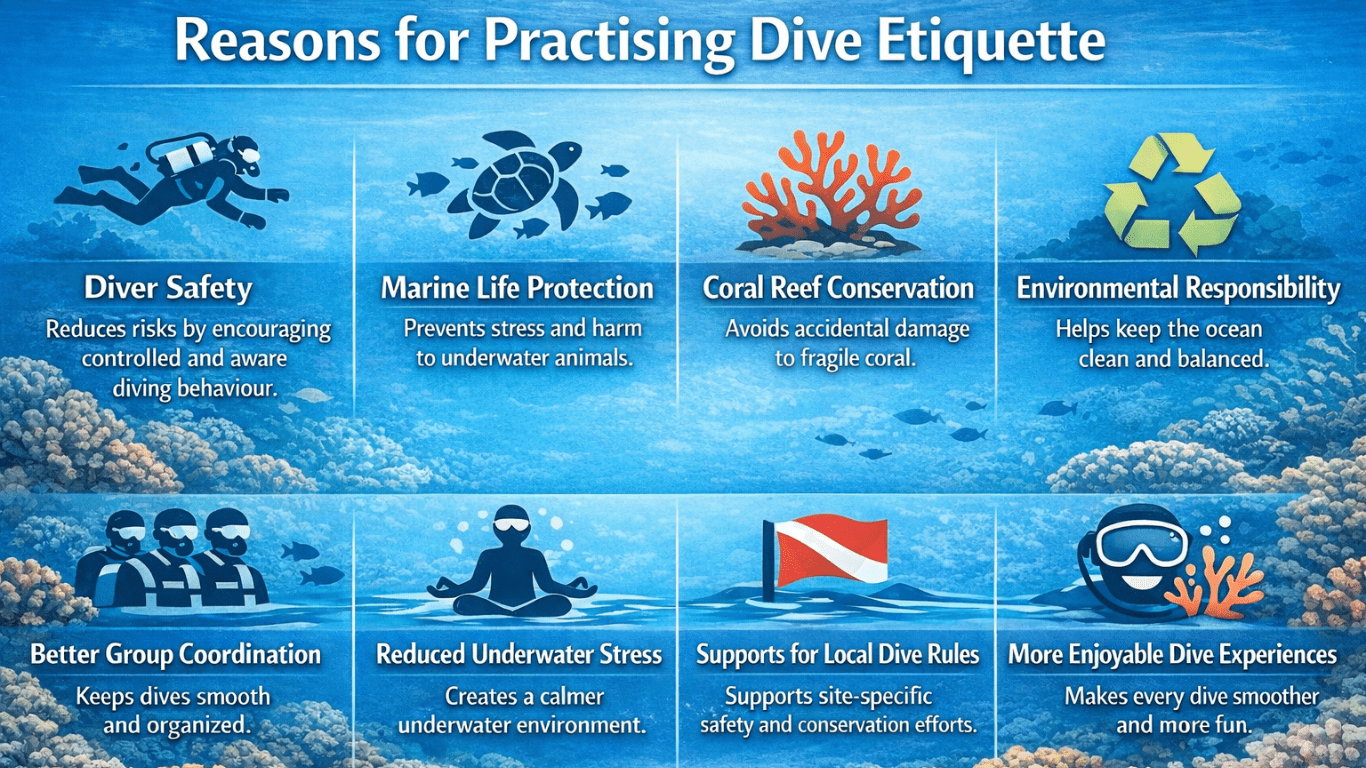
Why Dive Etiquette Matters?
At its core, dive etiquettes matter because it shapes responsible diver behaviour. Simple actions like controlling buoyancy, keeping fins away from coral, and observing marine life from a distance go a long way in preserving the fragile marine ecosystems.
Here are some crucial reasons to follow diving etiquette:
Improves diver safety by encouraging calm behaviour and clear communication.
Protects coral reefs and marine ecosystems from accidental damage.
Reduces stress on marine life by limiting interference and contact.
Creates better group dynamics and smoother dive experiences.
Supports sustainable diving practices for future generations.
Respect isn’t about restriction; it’s about observing in a way that protects the beauty you came to see!
How to Interact with Marine Creatures Respectfully?
Marine encounters are most rewarding when animals feel undisturbed. Let curiosity flow both ways, without forcing interaction.
Here is what you can do:
Stay still and observe patiently.
Maintain neutral buoyancy at all times.
Keep equipment streamlined and close.
Allow animals to dictate distance and duration.
Why Should Divers Keep a Respectful Distance? “-Giving marine life space is an act of quiet respect. When divers rush or get in too close, animals retreat, hide, or respond out of stress rather than curiosity. Stepping back allows the underwater world to unfold naturally, creating encounters that feel peaceful, authentic, and deeply rewarding. Respect isn’t about restriction; it’s about observing in a way that protects the beauty you came to see!
Reality Check: The Dangers of Touching Marine Life
Touching or feeding marine life can seriously disrupt fragile ecosystems. Many marine animals and corals rely on protective layers that are easily damaged by human contact.
Here is what you can do:
Oils and bacteria on human skin can harm coral tissue.
Touching can stress animals and disturb their natural behaviour.
The buddy system is a core part of dive etiquette, designed to keep divers safe, supported, and aware underwater.
How Does Diving With a Buddy Enhance Safety?
Diving with a buddy means you’re never handling situations alone. From routine checks to unexpected challenges, a buddy helps spot issues early and respond quickly.
Provides immediate assistance in case of equipment issues.
Helps monitor air supply, depth, and time.
Reduces panic by offering reassurance underwater.
Improves navigation and awareness of surroundings.
Ensures help is available during ascents and safety stops.
taying in sync with your buddy starts before the dive. Go through this essential guide, which covers the key Safety checks and communication habits divers rely on.
Communication Techniques Underwater
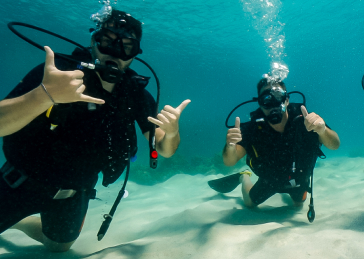
Since verbal communication isn’t possible underwater, divers rely on clear, agreed signals and positioning. Good communication starts before the dive and continues throughout the descent, exploration, and ascent.
How to Stay Connected Underwater Beyond Hand Signals?
Eye contact:Regular visual checks confirm everything is fine.
Torch signals:Useful during low visibility or night dives.
Positioning:Staying side-by-side or slightly staggered keeps buddies in view.
Pre-dive planning:Agreeing on depth limits, time, and exit points before entering the water.
Eco-Conscious Diving: Protecting the Environment
Eco-conscious diving is all about making small, intentional choices that let you experience the underwater world while minimising your impact. Simple, considered actions play a powerful role in preserving marine ecosystems and the dive sites we love.
Leave No Trace in Diving
Just like on land, the “leave-no-trace” principle applies underwater. Divers should aim to explore without altering the environment or leaving anything behind.
Take only photos, leave only bubbles.
Secure all equipment to prevent dragging or snagging.
Avoid stirring up sand or sediment.
Use reef-safe sunscreen.
Follow dive briefings and local guidelines.
“The ocean isn’t a souvenir shop; it’s a living ecosystem.”
Avoiding Damage to Coral and Marine Ecosystems
Coral reefs are extremely fragile and take decades to recover from minor damage. Here are some easy, effective habits that support ocean life underwater.
Maintain neutral buoyancy at all times.
Keep fins elevated and movements controlled.
Avoid kneeling or standing on the seabed.
Stay aware of currents and surges near reefs.
Follow the designated dive paths where provided.
Dive Site Etiquette: Respecting Local Rules and Regulations
Every dive site has its own character, challenges, and sensitivities. Following site-specific rules helps keep divers safe while ensuring these locations remain healthy and accessible for years to come. Here are a few guidelines to ensure respectful behaviour at dive sites:
Follow the dive briefing and guide instructions.
Enter and exit the water at designated points.
Maintain appropriate spacing between divers.
Avoid overcrowding popular marine life spots.
Be patient and wait for your turn for photos or observations.
All dives must be supervised by a certified dive supervisor or assistant.
Operators must brief divers on the law and responsible behaviour before entering the water.
Divers must stay at least two meters above coral heads to avoid accidental contact and reef damage.
Any contact with marine organisms, including touching or handling coral and animals, is strictly prohibited in reef zones.
Certain activities, such as underwater walking or seabed tours in coral zones, are prohibited to protect habitats.
Snorkellers are required to wear life vests near coral reefs unless they hold a recognised certification.
Dive Boat Etiquette
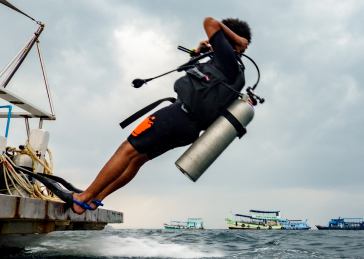
Dive etiquette doesn’t stop once you leave the shore. On a dive boat, with limited space and shared equipment areas, being mindful of others helps create a calm dive experience for everyone onboard.
Here’s what you can do:
Keep your gear neatly packed in your assigned space.
Avoid spreading equipment across walkaways or benches.
Maintain appropriate spacing between divers.
Suit up only when instructed to prevent crowding.
Be mindful when moving around with fins or tanks.
Respect crew instructions at all times.
Handling Emergencies with Calm and Respect
When things don’t go as planned underwater, how divers react matters most. Remaining calm, following established protocols, and being mindful of those around you are essential elements of responsible dive etiquette.
Panic can worsen even minor issues, so what you can do is:
Stop, breathe slowly, and assess the situation.
Signal your buddy or dive guide immediately.
Follow the agreed emergency procedures.
Ascend only when necessary and at a controlled pace.
Stay aware of your surroundings and other divers.
Safety Procedures and Signalling
Clear safety procedures and signalling play a crucial role during emergencies. They help the diver communicate problems, manage ascents safely, and ensure support is available when needed.
Safety Practice
Why It’s Important
Safety stops
Reduces the risk of decompression illness
Controlled ascents
Prevents barotrauma and panic
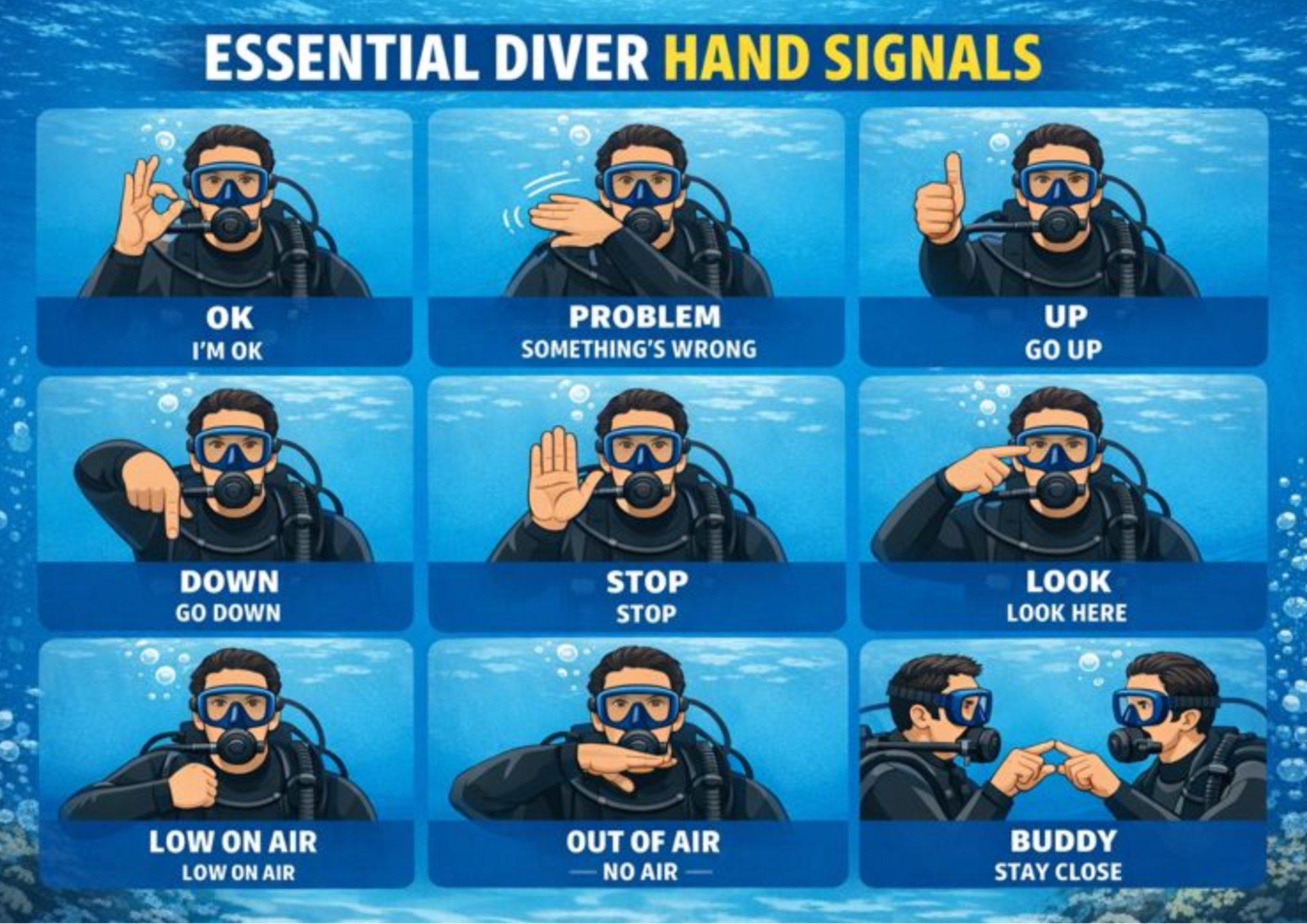
Emergency hand signals
Communicates problems clearly
Surface signalling devices
Helps attract attention if assistance is needed
Following dive plans
Keeps responses organised and effective
Safer dives start with smarter choices. Brush up on essential diving safety tips that help you stay safe, relaxed, and ready for underwater adventures!
Sustainable Diving: Being a Steward of the Sea
Every diver has a role to play in protecting the ocean. Eco-friendly diving is all about making conscious choices that support marine conservation and ensure dive sites remain healthy for coming generations.
Sustainable Diving Practices
Maintain excellent buoyancy control.
Choose diving operators committed to sustainable practices.
Follow marine park rules and conservation guidelines.
Report damaged reefs or injured marine life to dive professionals.
Avoid single-use plastics on dive trips.
Respect protected areas and seasonal closures.
Take a closer look at how sustainable diving practices work in Koh Tao in conserving the reef and marine life. It’s all about diving thoughtfully and leaving the ocean world just as you found it.
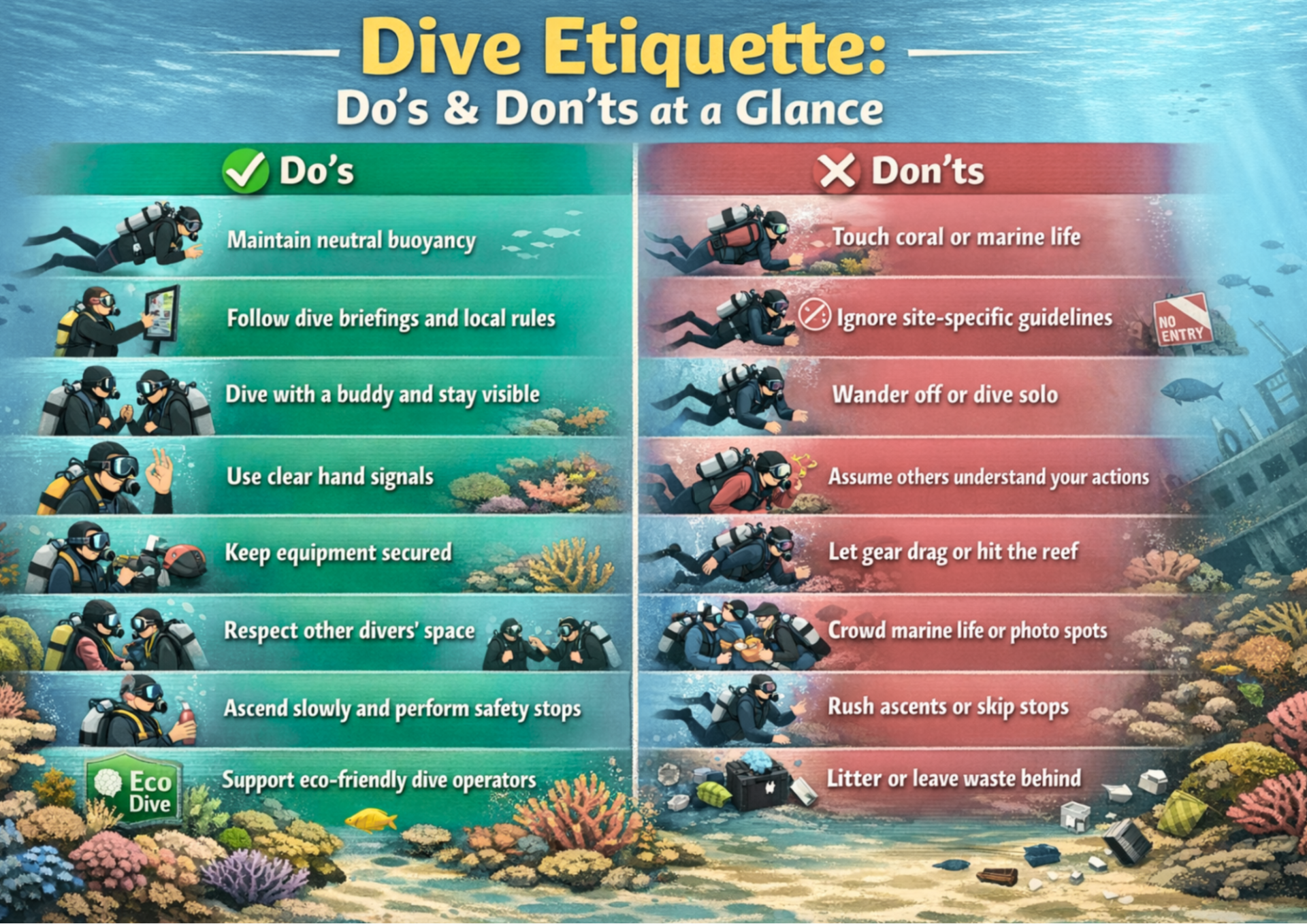
The Do’s & Don’ts of Dive Etiquette
While every dive environment is different, a few universal do’s and don’ts help keep dives safe, protect marine life, and ensure everyone enjoys the experience.
Conclusión
Every time you enter the water, you become part of a shared underwater space. By practising diving etiquette, you can help protect the incredibly delicate marine life, support responsible diver behaviour, and ensure dive sites remain open and thriving for future generations.
So, if diving responsibly while experiencing the best of Koh Tao is in your bucket list for 2026, dive with professionals who care about the ocean as much as you do. Explore La Bombona Diving Koh Tao for a fun, safe, and eco-conscious diving experience.
Preguntas frecuentes
What should I do if I encounter an emergency while diving?
Stay calm, signal your buddy immediately, and follow your dive training. Ascend safely if required, maintain controlled breathing, and rely on established emergency procedures to prevent the situation from escalating.
How can I find the best dive sites in Koh Tao for beginners?
Beginner-friendly dive sites in Koh Tao feature shallow depths, calm conditions, and great visibility. Check out this guide to know the best dive sites in Koh Tao, highlighting ideal locations for new divers.
How can I prepare for my first dive trip to Koh Tao?
Preparation includes choosing a reputable dive centre, understanding basic safety protocols, and completing a try dive or introductory course. This Try Dive guide for beginners helps you get started and build confidence before your first dive.
How do I choose a responsible and eco-friendly dive operator?
Look for operators who follow sustainable diving practices, limit group sizes, respect marine life, and support conservation efforts. Certifications, transparent safety standards, and eco-conscious policies are strong indicators of responsible operators.
Can I dive alone, or do I always need a buddy?
Recreational diving is designed to be done with a buddy. Diving with a partner improves safety, communication, and emergency response, making it a fundamental rule of responsible dive etiquette.
What are some legal guidelines for travelling to Koh Tao?
Travellers should ensure valid visas, appropriate travel insurance, and compliance with local laws. This guide to legal guidelines for travelling to Koh Tao outlines essential considerations to keep your trip smooth and stress-free.
What are some basic diving hand signals I should know?
Choose durable, high-quality gear, avoid harmful chemical products, rinse equipment responsibly, and maintain it properly. Eco-friendly gear reduces waste and minimises environmental impact over time.
How do I ensure my diving gear is environmentally friendly?
Choose durable, high-quality gear, avoid harmful chemical products, rinse equipment responsibly, and maintain it properly. Eco-friendly gear reduces waste and minimises environmental impact over time.
What is the best time of year to dive in Koh Tao?
Koh Tao offers year-round diving, but conditions are best from March to September, with calm seas and excellent visibility. October and November may have rougher conditions due to seasonal weather changes.
Bucea con LBD: tu puerta a la exploración submarina
Tanto si eres un principiante curioso como un profesional experimentado, nuestra escuela es tu portal a las maravillas del submarinismo. Únete a nosotros en el mundo bajo las olas.
Welcome to Koh Tao, a haven for adventurers and lovers of nature. Known for its rich marine life, stunning viewpoints, and exciting activities, this island promises a memorable experience. Whether
Welcome to Koh Tao, a haven for adventurers and lovers of nature. Known for its rich marine life, stunning viewpoints, and exciting activities, this island promises a memorable experience. Whether
The newest models, such as the GoPro HERO13 Black treat adventurers to a breathtaking and detailed view of 5.3K video resolution. They have good stabilization too, which is important especially
Para ofrecer las mejores experiencias, utilizamos tecnologías como las cookies para almacenar y/o acceder a la información del dispositivo. El consentimiento a estas tecnologías nos permitirá procesar datos como el comportamiento de navegación o identificaciones únicas en este sitio. La falta de consentimiento, o la retirada del mismo, puede afectar negativamente a determinadas características y funciones.
Funcional
Siempre activo
El almacenamiento o acceso técnico es estrictamente necesario para el fin legítimo de permitir el uso de un servicio específico explícitamente solicitado por el abonado o usuario, o con el único fin de llevar a cabo la transmisión de una comunicación a través de una red de comunicaciones electrónicas. .
Preferencias
El almacenamiento o acceso técnico es necesario para el fin legítimo de almacenar preferencias no solicitadas por el abonado o usuario.
Estadísticas
El almacenamiento o acceso técnico que se utiliza exclusivamente con fines estadísticos.Almacenamiento o acceso técnico que se utiliza exclusivamente con fines estadísticos anónimos. Sin un requisito, el cumplimiento voluntario por parte de su proveedor de servicios de Internet o registros adicionales de un tercero, la información almacenada o recuperada exclusivamente con este fin no puede utilizarse para identificarle.
Marketing
El almacenamiento o acceso técnico es necesario para crear perfiles de usuario para enviar publicidad, o para seguir al usuario en un sitio web o en varios sitios web con fines de marketing similares.






 ES
ES  EN
EN