Most Common Questions Answered Before Your First Dive
Por Bryan Roseman
18 February 2026
Table of Contents
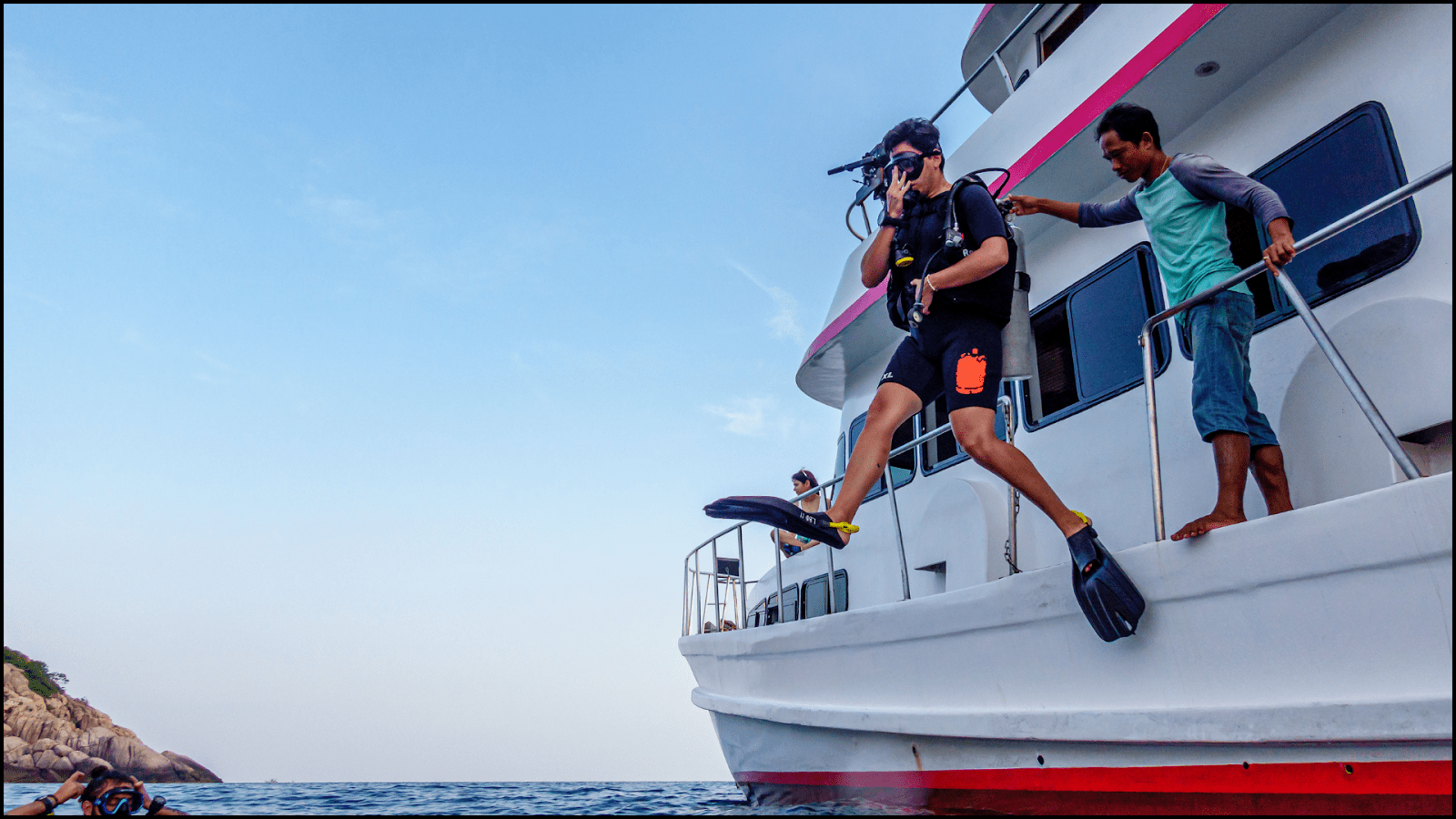
Your first scuba diving experience in Koh Tao, Thailand, introduces you to a completely new world beneath the surface. As you take your first breath underwater, the surface world slowly fades away. Your movements become calm and controlled, your breathing steadies, and a feeling of weightlessness takes over. For most first-time divers, that moment brings a mix of excitement, curiosity, and nervous energy. Learning to trust the equipment, listening closely to your instructor, and exploring a completely new underwater environment are what make a first scuba dive such a memorable experience.
This guide covers the most common questions beginners have before their first scuba dive, so you can feel prepared and confident from the start.
Why First-Time Divers Have So Many Questions
It’s completely natural to have questions before your first dive. Scuba diving in Koh Tao introduces you to an unfamiliar environment, new equipment, and sensations you’ve likely never experienced before. For beginners, these unknowns often lead to curiosity, excitement, and common diving doubts.
Scuba diving can feel unfamiliar and equipment-heavy at first
Breathing underwater is a brand-new sensation
Fear of the unknown is natural before entering open water
Questions about safety, fitness, swimming ability, and health are common
Many first-time divers want reassurance and a clear idea of what to expect
Diver Insight: If this is your first time underwater, these questions are completely normal. Every certified diver once had the same first-time scuba-diving questions.
New to Diving? Explore Common Beginner Questions
If you’re new to scuba diving, understanding what lies ahead can make your first experience far more enjoyable. Below are the most common first-time scuba diving questions beginners ask before getting into the water.
1. Do I Need to Know Swimming Before Scuba Diving?
Yes, you do need basic swimming comfort before scuba diving, but you do not need to be an advanced or competitive swimmer.
For beginner scuba programs, the focus is on feeling relaxed and comfortable in the water rather than on swimming speed or technique. You should be able to float calmly, move gently, and stay composed in the water. Scuba diving in Koh Tao is not about swimming long distances; instead, buoyancy control and slow, controlled movements are key. Your equipment provides support, and instructors closely guide you throughout the dive.
Requirement
What’s Needed for Beginners
Floating
Ability to float calmly for a short time
Movement
Gentle kicking and basic directional control
Endurance
Comfort staying in water, not speed or distance
Technique
No formal swimming strokes required
Beginner Tip: Many beginners start scuba diving without strong swimming skills. What matters most is comfort, calm breathing, and the ability to follow instructions, not how fast or far you can swim.
Yes, scuba diving in Koh Tao is considered safe for beginners when it is done with proper training, well-maintained equipment, and professional instructor supervision. Beginner dives are designed to introduce the underwater environment safely and gradually.
According to the CDC, you must follow any guidance from local instructors and officials before boating, scuba diving, or participating in water-related activities. This highlights why professional supervision and local expertise are essential for first-time divers.
Safety Standards: Risk vs Safety Measures
Potential Risk
Safety Measures
Panic or anxiety
Instructor-led breathing guidance and constant supervision
Equipment misuse
Full equipment setup, checks, and handling by instructors
Depth-related issues
Strict depth limits for beginners
Health concerns
Medical screening and pre-dive briefings
Instructor Supervision
For first-time scuba divers, instructors stay close at all times, both above and below the water. They monitor breathing, buoyancy, body language, and comfort, stepping in immediately if a diver feels uneasy. This one-on-one or small-group supervision is a key reason why beginner scuba diving is considered safe.
Training Dives vs Fun Dives
It’s important to understand the difference between training dives and fun dives:
Training dives focus on learning essential skills, controlled environments, and safety awareness
TFun dives are designed for certified divers who already have experience and training
Trust Badge Table:
Trust Factor
What It Means for Beginners
Instructor Certification
Instructors trained and certified by internationally recognised scuba agencies
Beginner Dive Experience
Thousands of first-time divers were guided safely through their initial dives
Student-to-Instructor Ratio
Small group sizes to ensure close supervision and personal attention
3. Is There an Age Limit for First-Time Scuba Diving?
Yes, beginner programs have a minimum age requirement for scuba diving beginners in Koh Tao, but there is no strict upper age limit. The deciding factors are overall health, comfort in the water, and the instructor’s assessment, not age alone. This ensures a safe and enjoyable first dive experience for every diver.
Age vs Health Readiness: Health and comfort are more important than age. Instructors evaluate each diver individually to ensure safety, confidence, and a fun first dive experience.
Beginner Diver Age Ranges:
10–14 years: Junior programs with limited depth and extra supervision
15–60 years: Most common age range for first-time scuba diving
60+ years: Permitted with good health and medical clearance
4. Do I Need to Be Very Fit to Try Scuba Diving?
No, beginner scuba programs are designed for divers with basic fitness levels; controlled movement, buoyancy management, and calm breathing are more important than athletic ability, as confirmed by SSI and PADI training standards.
What Should Your Beginner Scuba Fitness Level Be?
Basic mobility: You should be able to walk short distances, get in and out of the water, and move comfortably while wearing diving equipment.
Swimming comfort: Being able to swim gently and float for short periods is sufficient; advanced swimming skills are not required.
Controlled movements: Scuba diving emphasises slow, controlled movements and buoyancy control rather than strength or endurance.
Overall health: If you have any pre-existing medical conditions, you should check your readiness before diving.
5. What Happens During a First Scuba Diving Session?
A first scuba diving session is carefully designed to make beginners feel comfortable, confident, and safe underwater. Here’s a step-by-step breakdown of your beginner scuba session:
Step
What Happens
Why It Matters
1. Arrival & Paperwork
Check-in, registration, and forms
Ensures all safety and health info is documented
2. Briefing & Skill Explanation
Learn equipment, breathing techniques, hand signals, and safety rules
Builds knowledge and confidence before entering the water
3. Shallow Water Practice
Practice mask clearing, regulator use, and buoyancy control
Gain hands-on experience in a safe environment
4. Guided Underwater Dive
Explore the underwater world with instructor supervision
Apply skills, enjoy marine life, and build comfort underwater
5. Post-Dive Debrief
Review the dive and discuss improvements
Reinforces learning and prepares you for future dives
Yes, it’s completely normal to feel nervous before your first scuba dive. Many beginners experience fear of scuba diving or scuba diving anxiety, especially when imagining being underwater for the first time.
How Instructors Help You Manage Anxiety:
Step‑by‑Step Explanation: Instructors explain each part of the dive, from using the regulator to underwater signals, so you know what to expect and feel confident.
Hands‑On Shallow Water Practice: Beginners start in calm, shallow water to get comfortable with breathing and moving with scuba gear before deeper dives.
Breathing and Relaxation Techniques: Simple techniques help slow your heart rate and stay calm, preventing panic underwater.
Encouragement and Control: You can always pause or surface if you feel uncomfortable, ensuring a safe and relaxed experience.
Reassurance Through Presence: Instructors provide reassurance, encouragement, and individual attention, helping you focus and enjoy your first dive.
You’re Not Alone: Feeling nervous or worried about your first dive is completely normal. With your instructor guiding you, most beginners quickly relax and start enjoying the underwater experience.
For first-time divers, depth is carefully limited to ensure safety and comfort, with beginner scuba dives typically ranging from 6–12 meters (20–40 ft). These shallow dives help you adjust to breathing underwater, practice buoyancy, and gradually build confidence in a controlled environment.
As you gain experience and complete certification courses, you can safely progress to deeper dives under expert guidance. This is why an open water course is often the best choice for beginners, as it teaches essential skills, establishes safe depth limits, and prepares you to confidently explore more advanced diving experiences.
8. What Happens If I Want to Stop During the Dive?
Yes, you can stop a dive at any time. Beginner scuba diving programs in Koh Tao are designed to give you full control over your experience, and instructors create a safe, no-pressure environment so you never feel forced to continue.
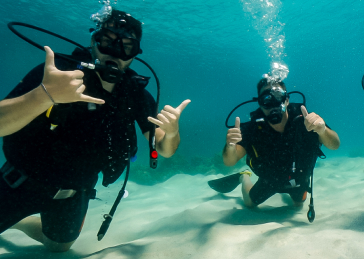
Hand Signals: Divers use simple, universal hand signals to indicate if they want to pause, ascend, or stop the dive.
Instructor-Led Support: Your instructor monitors you closely and ensures that stopping or surfacing is smooth and safe.
Full Diver Control: The decision to continue, pause, or end the dive always stays with you, giving you confidence and reassurance underwater.
9. Is Scuba Diving Safe for People with Asthma or Sinus Issues?
Scuba diving can be safe for people with mild asthma or sinus conditions, but disclosure and proper assessment are essential. Beginner divers with medical conditions should always follow guidance from a doctor and provide full information to their instructor.
Medical Disclosure: Always inform your instructor about any asthma, sinus issues, or other relevant health conditions before diving.
Doctor Approval: For moderate or severe conditions, a doctor’s clearance may be required to ensure it is safe to dive.
Mild Conditions: Having mild asthma or sinus issues does not automatically disqualify you. Instructors can adjust dive plans and depth limits for comfort and safety.
Caution: Always disclose health conditions and follow medical guidance before your first dive to stay safe underwater.
10. What Should I Eat Before My First Scuba Dive?
Eating the right foods before your first dive is important for maintaining energy, staying comfortable, and preventing nausea underwater. You don’t need a heavy meal, but avoiding an empty stomach or overly greasy foods is key.
Recommended Pre-Dive Foods:
Light carbohydrates: toast, oatmeal, rice, or pasta for steady energy
Lean proteins: eggs, chicken, or fish for sustained stamina
Fresh fruits: bananas, apples, or berries for quick energy and hydration
Plenty of water: staying hydrated is essential for safe diving
Avoid heavy, greasy, or spicy meals that may cause discomfort
11. What Marine Life Can I Expect to See on My First Dive?
Scuba diving in Koh Tao opens up a vibrant underwater world, but it’s important to manage expectations. While you can expect to see reef fish, corals, and other common marine life, no sightings can be guaranteed as marine animals move freely, and visibility, currents, and behaviour change daily.
Managing Expectations:
Marine life is wild: sightings vary from dive to dive
Every dive is unique: currents, visibility, and animal activity differ each day
Not seeing a specific creature does not mean your dive is unsuccessful
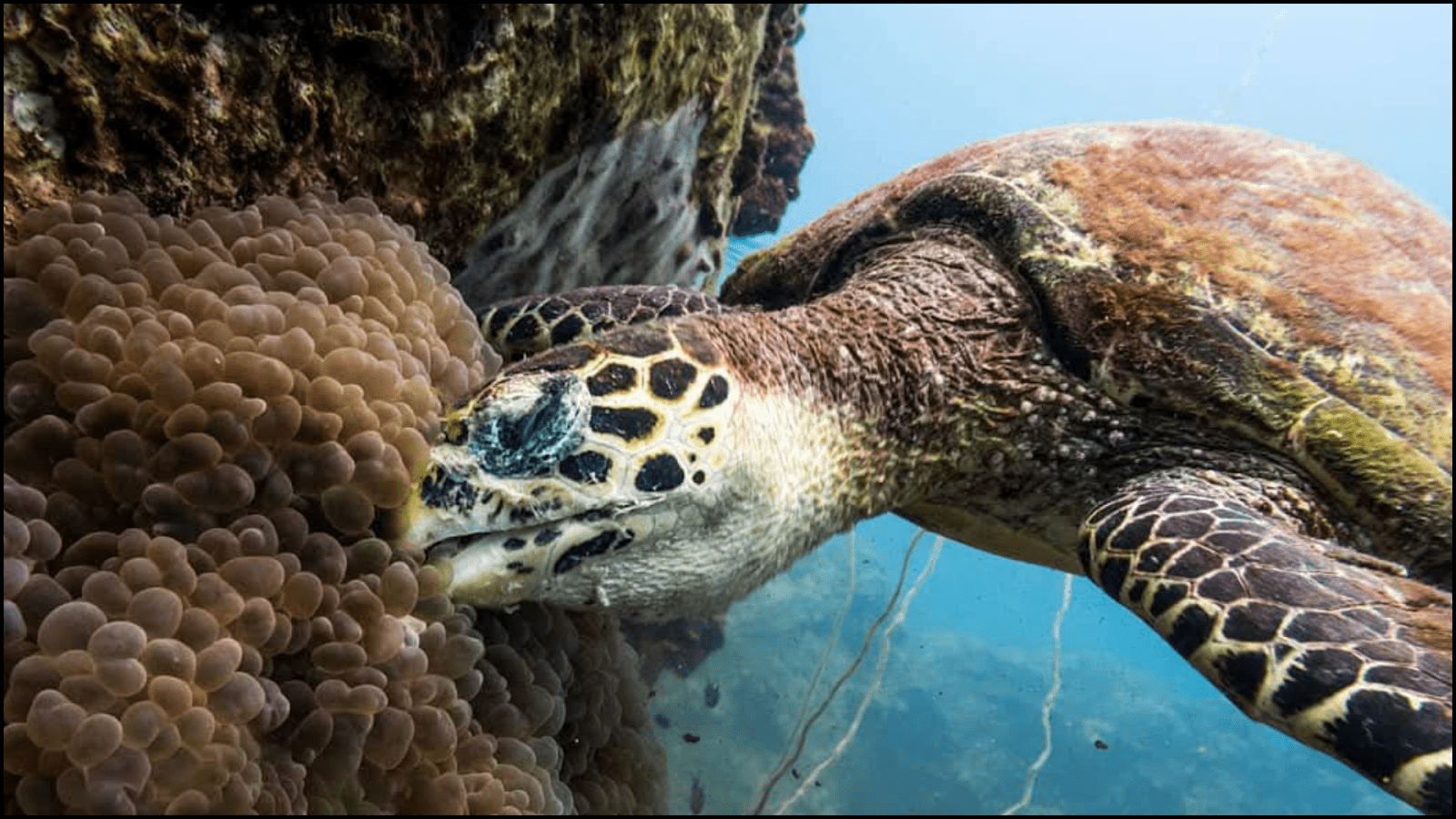
Even if you don’t see every species, the experience of exploring the underwater world is rewarding and memorable. With Koh Tao’s diverse reefs, beginners are likely to encounter colourful reef fish, corals, and possibly turtles or small reef sharks.
Curious about what you might see on your first dive? Explore Koh Tao’s diverse marine life here: Koh Tao Marine Life
12. Can I Take Photos During My First Scuba Dive?
Yes, you can take photos, but first-time divers are encouraged to focus on enjoying the experience and mastering the basics of diving. Safety and comfort should always come before photography. Instructors often manage or guide underwater photography so you can capture memories without distractions or risk.
First-Time Underwater Photography:
Do:
Focus on enjoying your first dive rather than getting the perfect shot.
Listen to your instructor before handling any camera or equipment.
Take photos in calm, shallow areas under supervision.
Don’t:
Don’t try complicated shots or dive in challenging conditions just to take photos.
Don’t let photography distract you from breathing, buoyancy, or safety.
Don’t handle camera equipment without instructor guidance.
13. What Diving Equipment Will I Use as a Beginner?
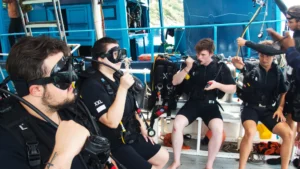
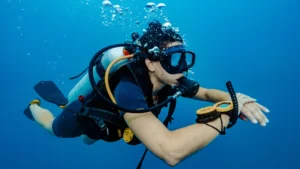
As a beginner, you’ll use basic scuba gear designed to keep you safe and comfortable while underwater. Most of the equipment is handled and supervised by your instructor, so you can focus on learning and enjoying your dive.
Beginner Diving Equipment Overview:
Equipment
Purpose
Mask & Snorkel
See clearly underwater and breathe at the surface
Fins
Help you move efficiently in water
Regulator
Allows you to breathe from the tank
Buoyancy Control Device (BCD)
Helps you float, ascend, or descend safelyt
Tank / Cylinder
Provides compressed air for breathing underwater
Wetsuit
Maintains body temperature and offers light protection
All Set to Dive:Most diving centres provide all the essential gear, so you don’t need to bring anything extra. Your instructor ensures everything fits properly and is ready for safe use, making your first dive easy and worry-free.
14. How Long Does a First Scuba Diving Experience Last?
A first scuba diving experience usually lasts between 2–4 hours in total. This time is carefully structured to introduce beginners to the underwater world in a safe, relaxed, and well-guided way.
The session includes registration and paperwork, a detailed briefing, skill practice in shallow water, the guided underwater dive itself, and a short post-dive review. While the underwater portion is shorter, the preparation and training ensure you feel confident and comfortable throughout your first dive.
Time Breakdown for a Beginner Dive:
Arrival & Paperwork:
Time Required: 15–20 minutes
What You’ll Do: Registration and basic medical checks
Briefing & Skill Practice:
TTime Required: 30–60 minutes
TWhat You’ll Do: Learn breathing, hand signals, and equipment use
Shallow Water Dive:
Time Required: 30–45 minutes
What You’ll Do: Practice in a controlled environment
Guided Underwater Dive:
Time Required: 20–30 minutes
What You’ll Do: Explore safely under instructor supervision
Post-Dive Debrief:
Time Required: 10–15 minutes
What You’ll Do: Feedback, tips, and questions
Quick-Glance:A beginner dive typically lasts 2–4 hours, with around 30–60 minutes underwater. Training and preparation are an essential part of this time.
15. What Should I Bring or Prepare Before My First Dive?
Proper preparation ensures a safe, comfortable, and enjoyable first dive. Most of what you need focuses on physical comfort, mental readiness, and essentials, while the dive centre provides all specialised equipment.
Checklist for First-Time Divers:
Physical Prep: Stay hydrated, wear comfortable clothes, and get enough rest.
Mental Prep: Relax, stay calm, and follow the instructor’s guidance.
Essentials to Bring: Swimsuit, towel, sunscreen, and any personal medication.
After diving, it’s important to allow your body to adjust to pressure changes before flying. Nitrogen absorbed during the dive takes time to safely leave your body, so proper surface intervals are essential for first-time divers.
Key Guidelines:
Short, Shallow Dives: Wait at least 12–18 hours before flying.
Multiple or Deeper Dives: Wait 18–24 hours for added safety.
Follow the Instructor’s Advice: Always confirm the exact timing with your dive centre.
Quick Safety Rule: Plan your flight at least 12–24 hours after diving to avoid decompression risks.
17. What Is the Difference Between a Try Dive and a Certification Course?
A Try Dive is designed for first-time divers to experience scuba in shallow, controlled conditions without requiring full certification. In contrast, a Certification Course (like Open Water) trains you in all safety protocols and allows you to dive independently.
Try Dive vs Certification Course:
Feature
Bautizo
Certification Course
Duration
1–2 hours
Multiple days
Depth
Shallow only
Gradual, up to certification limits
Skills Learned
Basic breathing and buoyancy
Full dive skills and safety protocols
Certification
No
Yes, recognised internationally
Instructor Support
Full supervision
Supervised initially, independent diving later
18. Why Koh Tao Is Ideal for First-Time Divers?
Koh Tao is one of the best places for first scuba dives in Thailand, offering beginner-friendly conditions and expert guidance that make learning to dive safe and enjoyable.
Why Beginners Love Koh Tao:
Calm, Clear Waters: Gentle currents and warm water create a perfect environment for first-time divers.
Experienced Instructors: Dive centres focus on small groups, ensuring personalised attention and safety for beginners.
Learning-Friendly Dive Sites: Shallow reefs and protected areas allow you to practice skills while exploring vibrant marine life.
Beginner Tip: Koh Tao’s combination of calm conditions, supportive instructors, and beginner-friendly sites makes it ideal for anyone taking their first scuba diving experience.
Want to explore beginner-friendly dive sites in Koh Tao? See the top dive sites here: Top Dive Sites Koh Tao
19. What Are the Different Diving Courses Available in Koh Tao?
Koh Tao offers a variety of courses designed to match every diver’s skill level, from absolute beginners to advanced enthusiasts.
Diving Courses:
Beginner Diving Course: Introductory experience for first-time divers, focusing on basic skills and safety.
Open Water Course: Certification course teaching essential skills for independent diving.
Advanced Diving Course: For certified divers seeking deeper dives and speciality skills.
Diving Reboot Course: Refresher program for divers who haven’t dived in a while.
Curious which diving course is right for you? Explore all Diving Courses in Koh Tao here: Koh Tao Diving Courses
Diving Activities:
Fun Dive: Guided exploration of reefs and marine life for certified divers.
Night Dive: Experience the underwater world after dark with instructor guidance.
Trip to Sites Like Sail Rock: Exciting excursions to Koh Tao’s iconic dive spots.
Want to try fun dives or special excursions? Explore diving activities in Koh Tao here: Koh Tao Diving Activities
20. What Diving Certification Is Best for Beginners?
For beginners, the right diving certification ensures safety, builds confidence, and enables independent exploration of the underwater world. Most first-time divers start with entry-level certifications that teach essential skills and safety protocols.
Beginner-focused program with strong emphasis on safety and skill mastery.
Quick Note: Choosing a recognised certification ensures your skills are acknowledged worldwide and provides confidence for future dives.
Confused about which certification suits your goals? Explore a detailed comparison of SSI vs RAID beginner diving certifications to make an informed choice.
21. How to Choose the Right Dive Centre for First-Time Diving?
Selecting the right dive centre is crucial for a safe and enjoyable first dive. Experienced instructors, proper equipment, and beginner-focused programs make a big difference in your comfort and confidence underwater.
Top Dive Centres in Koh Tao:
LBDiving– Highly recommended for beginners, small group sizes, and experienced instructors.
Other Recommended Centres – Provide certified instructors, quality gear, and safety-focused training.
Considerations When Choosing a Dive Centre:
Instructor experience and certifications
Small student-to-instructor ratios for personal attention
Quality and maintenance of equipment
Beginner-friendly dive sites and programs
Transparent pricing and course structure
Positive reviews from first-time divers
Quick Tip: Choosing the right dive centre ensures your first scuba diving experience is safe, fun, and confidence-building.
Conclusión
Starting scuba diving can feel overwhelming at first, but every certified diver began with the same questions and concerns. With proper guidance, professional instruction, and a supportive environment, those doubts quickly give way to confidence. Knowing what to expect before your first dive helps replace fear with confidence, allowing you to fully enjoy the experience and take your first calm steps into the underwater world.
Bucea con LBD: tu puerta a la exploración submarina
Tanto si eres un principiante curioso como un profesional experimentado, nuestra escuela es tu portal a las maravillas del submarinismo. Únete a nosotros en el mundo bajo las olas.
Is your old scuba certification still valid? Learn about scuba certification validity, when you need a refresher dive in Koh Tao, & how the Reboot Course works.
Is your old scuba certification still valid? Learn about scuba certification validity, when you need a refresher dive in Koh Tao, & how the Reboot Course works.
Is your old scuba certification still valid? Learn about scuba certification validity, when you need a refresher dive in Koh Tao, & how the Reboot Course works.
Para ofrecer las mejores experiencias, utilizamos tecnologías como las cookies para almacenar y/o acceder a la información del dispositivo. El consentimiento a estas tecnologías nos permitirá procesar datos como el comportamiento de navegación o identificaciones únicas en este sitio. La falta de consentimiento, o la retirada del mismo, puede afectar negativamente a determinadas características y funciones.
Funcional
Siempre activo
El almacenamiento o acceso técnico es estrictamente necesario para el fin legítimo de permitir el uso de un servicio específico explícitamente solicitado por el abonado o usuario, o con el único fin de llevar a cabo la transmisión de una comunicación a través de una red de comunicaciones electrónicas. .
Preferencias
El almacenamiento o acceso técnico es necesario para el fin legítimo de almacenar preferencias no solicitadas por el abonado o usuario.
Estadísticas
El almacenamiento o acceso técnico que se utiliza exclusivamente con fines estadísticos.Almacenamiento o acceso técnico que se utiliza exclusivamente con fines estadísticos anónimos. Sin un requisito, el cumplimiento voluntario por parte de su proveedor de servicios de Internet o registros adicionales de un tercero, la información almacenada o recuperada exclusivamente con este fin no puede utilizarse para identificarle.
Marketing
El almacenamiento o acceso técnico es necesario para crear perfiles de usuario para enviar publicidad, o para seguir al usuario en un sitio web o en varios sitios web con fines de marketing similares.




 ES
ES  EN
EN