

Key Takeaways
|
Koh Tao is one of Thailand’s best destinations for advanced recreational scuba diving, offering offshore pinnacles, wreck dives, deep granite formations and day trips reaching depths of up to 30 metres (100 feet) for suitably certified divers. The island’s most popular deep dive sites include Chumphon Pinnacle, Southwest Pinnacle, HTMS Sattakut, Hin Wong Pinnacle, Sail Rock, and more, each known for different underwater terrain, marine life and dive conditions.
Deep diving in Koh Tao is not simply about reaching greater depths; it’s about more than that. It requires appropriate certification, experience, dive planning and an understanding of factors such as gas consumption, no-decompression limits, currents and visibility. The best site for one diver may not be the best choice for another.
In this guide, you’ll learn which are the best deep dive sites in Koh Tao, how deep each site is, what certification is typically recommended, the marine life you can expect to encounter, and how to choose the right advanced dive based on your experience and the day’s conditions.
Quick Answer: The best deep dive sites in Koh Tao are Chumphon Pinnacle for large schools of pelagic fish, Southwest Pinnacle for multi-level granite formations, HTMS Sattakut for recreational wreck diving, Hin Wong Pinnacle for deeper eastern reefs, and Sail Rock for dramatic topography, schooling fish and its famous underwater chimney. Together, these sites offer some of the most rewarding advanced recreational diving in the Gulf of Thailand.
Best Advanced Scuba Diving Spots In Koh Tao, Thailand
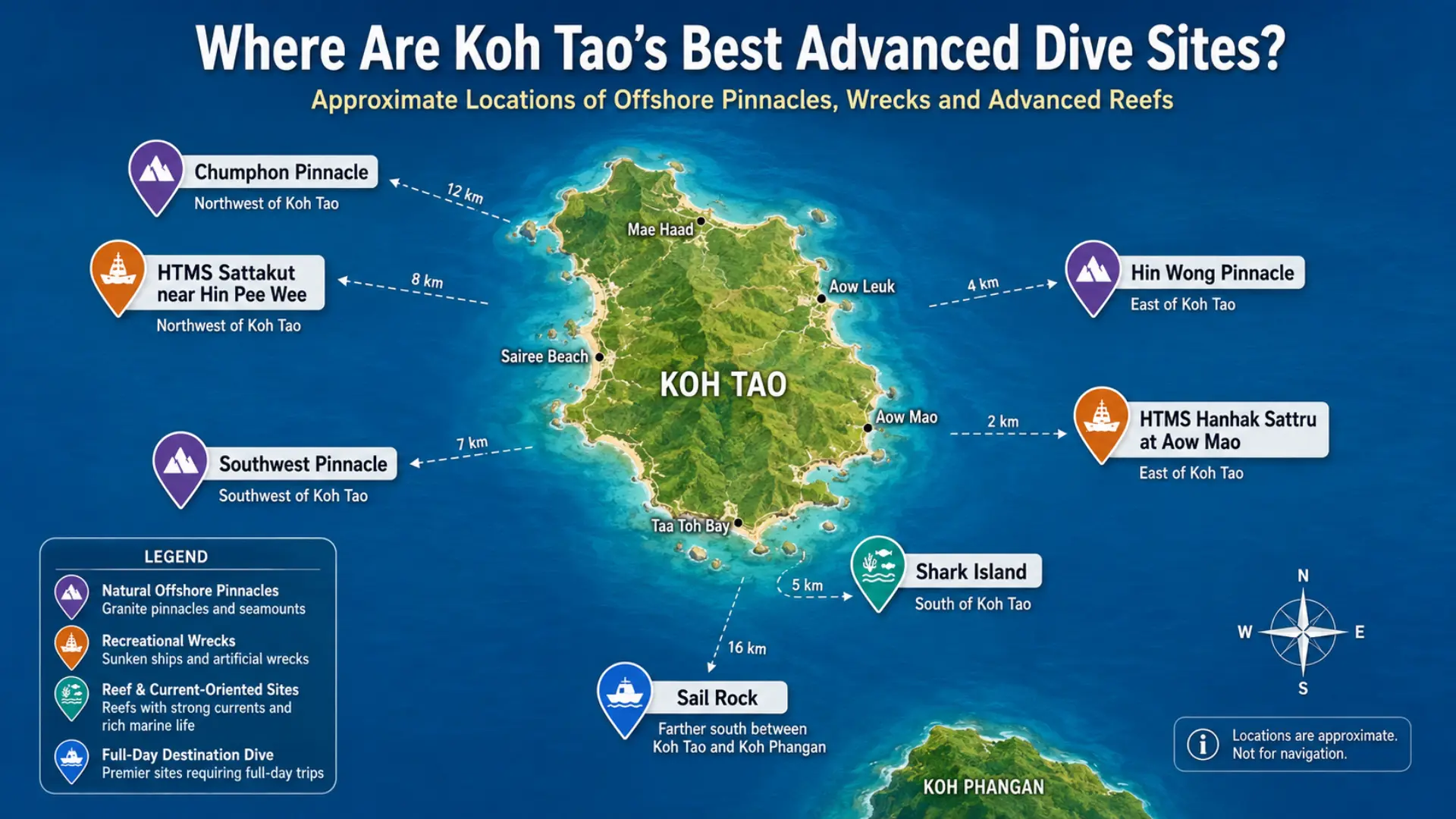
Dive site | Approximate depth | Recommended experience | Main attraction | Important consideration |
Chumphon Pinnacle | 14–40 m | Advanced Open Water recommended | Offshore pinnacle, schooling barracuda, trevally, batfish and occasional whale sharks | Blue-water environment, changing currents and surface conditions |
Southwest Pinnacle | 6–30 m | Open Water on suitable shallow profiles; Advanced Open Water recommended for deeper areas | Multiple granite pinnacles, sea anemones and abundant reef life | Visibility and currents vary with conditions |
HTMS Sattakut | 18–30 m | Advanced Open Water recommended | Historic naval wreck and thriving artificial reef | Wreck penetration requires specialised wreck-diving training |
Sail Rock | 5–40 m | Open Water for shallower areas; Advanced Open Water recommended for deeper dives | The Chimney swim-through, vertical walls and dense schools of fish | Longer boat trip, exposed conditions and currents can vary |
Hin Wong Pinnacle | 10–40 m | Advanced Open Water recommended | Deep granite pinnacle with soft corals and schooling fish | Currents and visibility can be unpredictable |
Shark Island | 5–25 m | Confident certified divers; Advanced Open Water beneficial | Dramatic rock formations, healthy reefs and occasional drift-style diving | Not a deep dive site, but currents can make it more challenging |
NOTE – Reported depth ranges may vary slightly between dive operators because a single dive site can include a main pinnacle, surrounding seabed, satellite rocks and deeper sections beyond the standard recreational route. For example, Chumphon Pinnacle is commonly described as rising to about 14 metres and descending to around 40 metres, while Southwest Pinnacle typically ranges from 6–7 metres at its shallowest points to approximately 28–30 metres at its deepest.
1. Chumphon Pinnacle
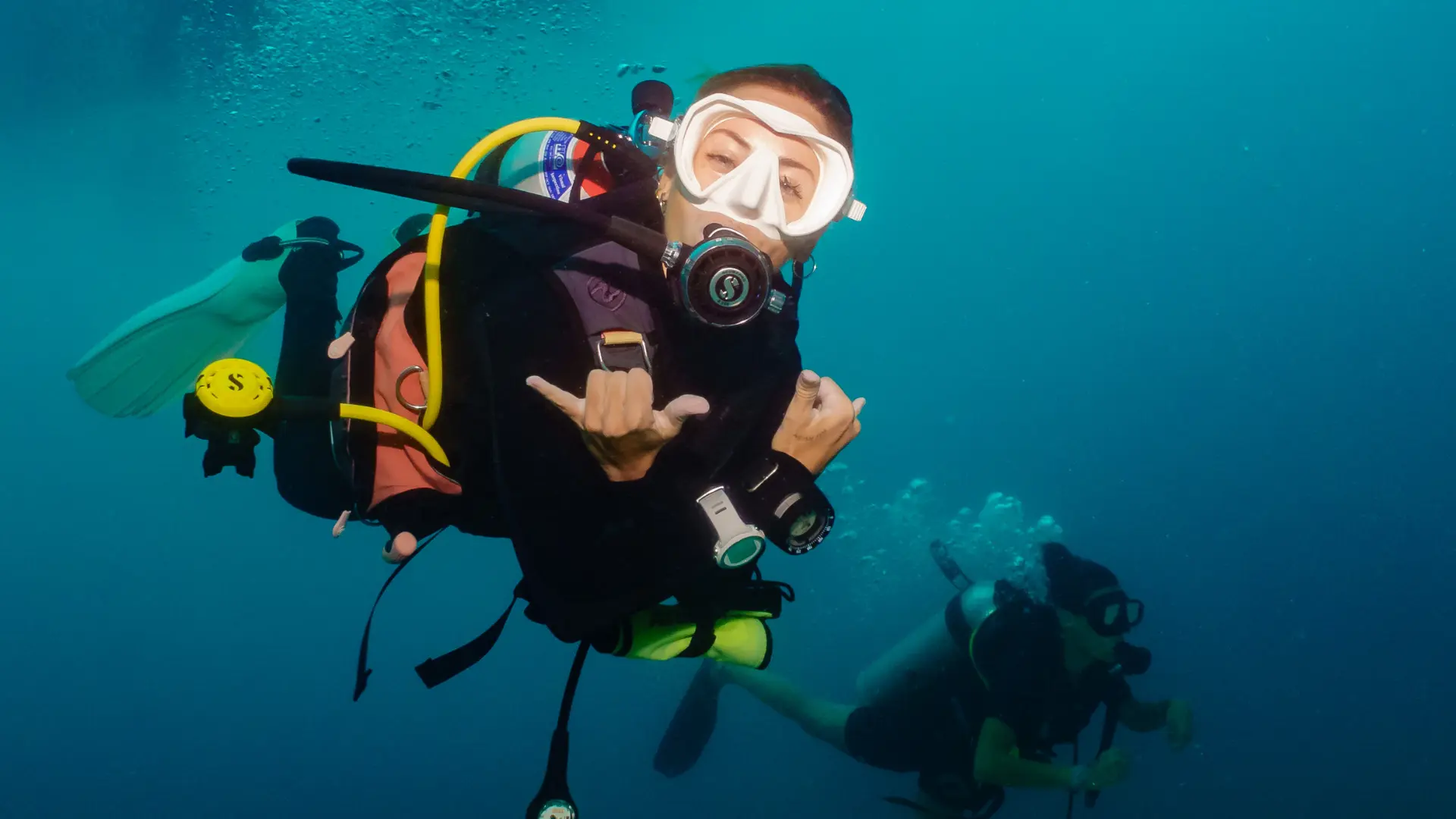
Best for – Offshore pinnacle diving and schooling fish
Chumphon Pinnacle is one of the most recognised Koh Tao advanced dive sites. Located offshore to the northwest of the island, the main granite formation rises from deeper water to approximately 14 metres below the surface. Different routes can take divers around the central pinnacle, smaller surrounding formations and deeper sandy areas.
The site is commonly reported as extending towards 40 metres, although many recreational dives remain between approximately 18 and 30 metres.
NOTE – A site extending to 40 metres does not mean that every group will descend that far. The route should be based on the least experienced diver’s certification, air consumption and comfort.
Marine Life at Chumphon Pinnacle
- Schools of chevron barracuda
- Giant trevally
- Batfish
- Occasional whale sharks
IMPORTANT NOTE – Whale sharks are possible at Chumphon Pinnacle, but no responsible operator can guarantee a sighting. The site remains worthwhile because of its underwater structure and resident or frequently encountered schooling fish, even when no large pelagic animal appears.
What Makes Chumphon Pinnacle Suitable for Advanced Diving?
Chumphon Pinnacle is considered an advanced dive site because of its deeper depths, offshore location and variable conditions. The pinnacle begins at around 14 metres and descends to approximately 40 metres, requiring careful dive planning, gas management and buoyancy control.
Advanced divers should be prepared for:
- Deeper dive profiles with shorter no-decompression limits.
- Changing currents and surface conditions due to the site’s offshore location.
- Variable visibility, which can differ with weather, currents and plankton levels.
- Large schools of pelagic fish, requiring good situational awareness while navigating the pinnacle.
Visibility Note – Chumphon Pinnacle’s visibility is commonly reported at 10–40 metres, but actual conditions vary daily depending on weather, currents and water conditions.
2. Southwest Pinnacle
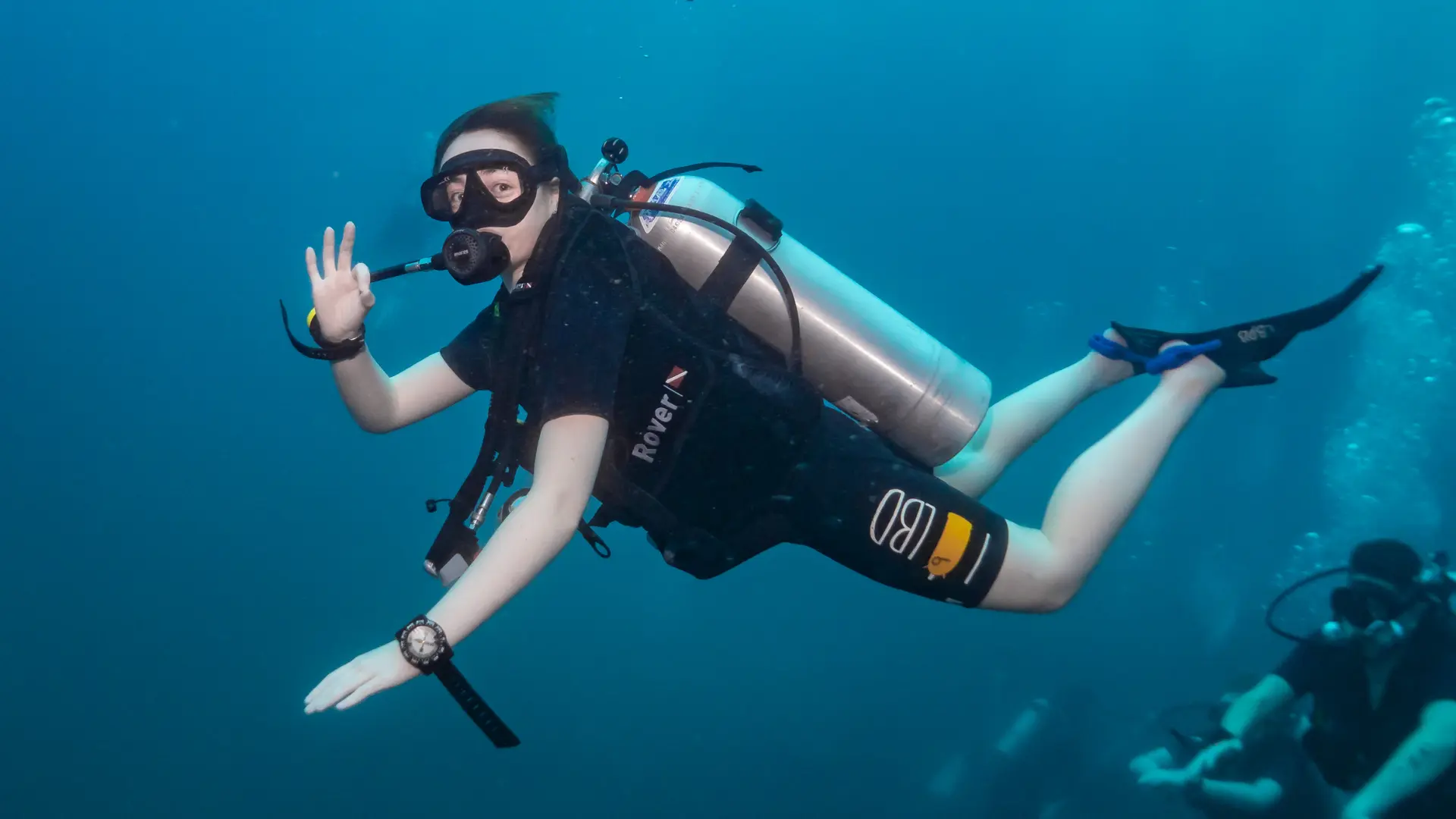
Best for – Multi-level diving, granite pinnacles and varied underwater topography
Southwest Pinnacle is one of Koh Tao’s most diverse offshore dive sites, featuring a series of granite pinnacles rather than a single rock formation. The site ranges from approximately 6–7 metres at its shallowest points to around 28–30 metres in the surrounding sand and deeper outer sections.
The pinnacles are covered with colourful sea anemones, soft corals and reef life, creating an impressive underwater landscape across multiple depth levels.
Because the site consists of several separate formations, dive routes can vary significantly. Open Water divers may explore the shallower pinnacles when conditions and dive operator policies allow, while Advanced Open Water divers can venture into the deeper sections for a longer, more varied dive profile.
Marine Life at Southwest Pinnacle
- Barracuda
- Groupers
- Batfish
- Fusiliers
- Yellow boxfish
- Nudibranchs
- Anemonefish
- Reef fish around the upper formations
- Occasional pelagic visitors
The site is also known for its “Secret Pinnacle,” a formation separated from the main group of rocks. Reaching it may involve swimming through open water, so the route depends on current, visibility, navigation and the group’s gas supply. One local guide estimates that the crossing may take approximately five to ten minutes depending on current.
Is Southwest Pinnacle Suitable for Newly Advanced Divers?
Yes, in suitable conditions. Southwest Pinnacle can be a good dive site for newly certified Advanced Open Water divers because its multiple pinnacles allow dive profiles to be adjusted to different depths. However, conditions such as currents, visibility and surface weather should be suitable for the diver’s experience level.
A newly advanced diver is more likely to enjoy Southwest Pinnacle if:
- They have good buoyancy control.
- They can monitor their own depth and gas supply throughout the dive.
- Currents are mild, and visibility is suitable.
- The planned dive stays within their certification and comfort level.
- They understand the dive plan, buddy procedures and ascent protocol.
Visibility Note – Visibility at Southwest Pinnacle varies considerably and can range from only a few metres in poor conditions to 20 metres or more on good days, depending on weather, currents and plankton levels.
3. HTMS Sattakut
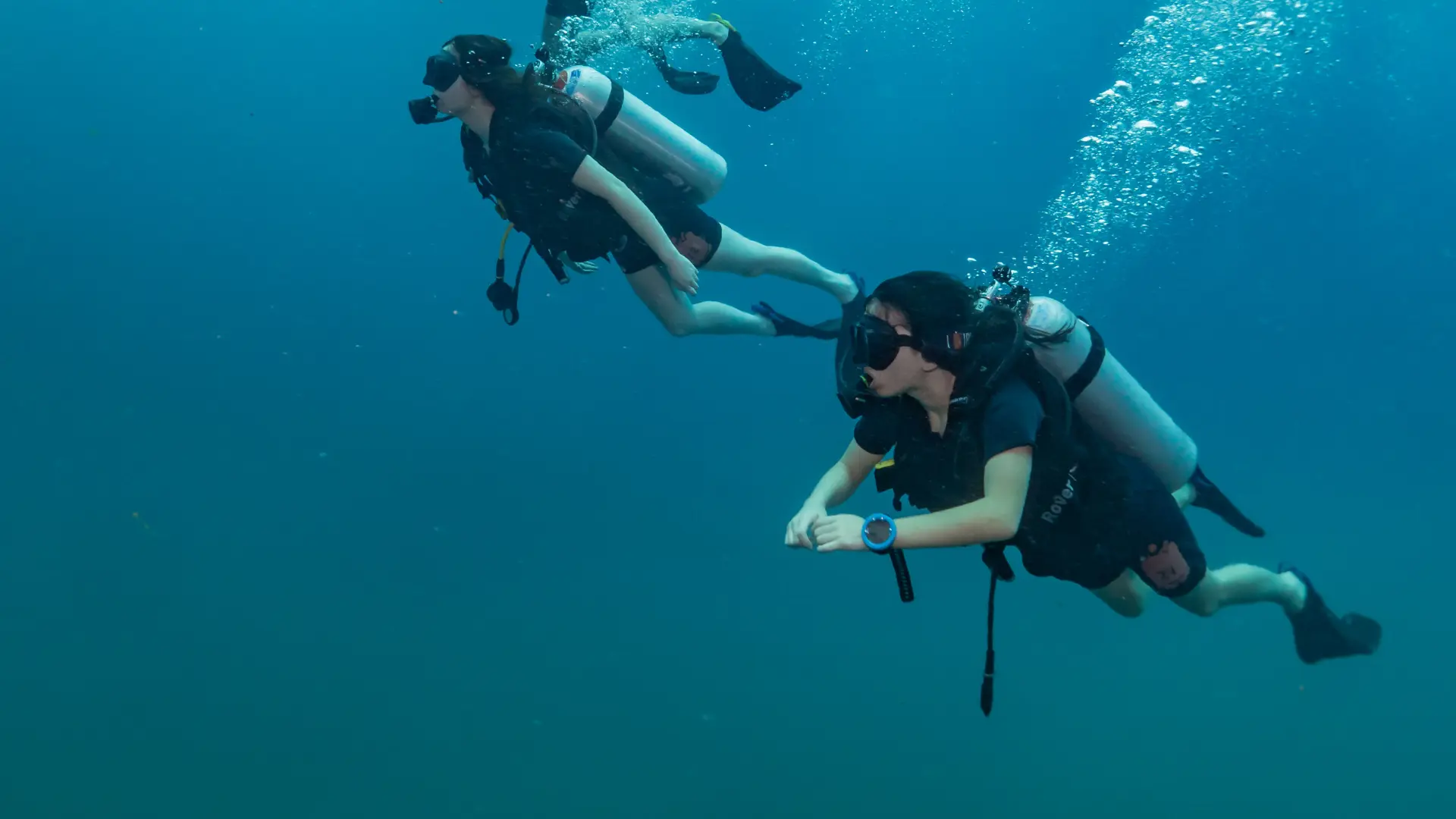
Best for: Advanced recreational wreck diving
HTMS Sattakut is Koh Tao’s best-known recreational wreck dive and one of the island’s most popular sites for divers interested in wreck exploration.
The 48-metre former Royal Thai Navy landing craft was intentionally sunk in 2011 near Hin Pee Wee to create an artificial reef and a dedicated dive attraction. Today, the wreck rests upright on a sandy seabed, with the main deck at approximately 18 metres and the seabed around 30 metres, making it suitable for multi-level recreational dives within Advanced Open Water depth limits.
Unlike Koh Tao’s natural pinnacles, HTMS Sattakut offers divers the opportunity to explore a shipwreck featuring the vessel’s hull, deck, gun mounts and superstructure, all of which have gradually become home to a thriving artificial reef ecosystem.
Why Is HTMS Sattakut Suitable for Advanced Divers?
HTMS Sattakut is considered an advanced recreational dive because much of the wreck lies below 18 metres, requiring careful dive planning and depth management. Unlike reef dives, wreck diving also demands greater buoyancy control and situational awareness around large structures.
Advanced divers benefit from:
- A multi-level wreck profile with depths reaching approximately 30 metres.
- The opportunity to explore a purpose-sunk naval vessel with clearly defined exterior features.
- Experience managing gas supply and no-decompression limits during deeper dives.
- A unique artificial reef ecosystem supporting a wide variety of marine life.
Although the wreck is suitable for recreational divers with the appropriate certification, dive operators may also consider recent experience and the day’s conditions before conducting the dive.
External Exploration vs. Wreck Penetration
Exploring the outside of a wreck is very different from entering it.
External exploration may include:
- Swimming around the hull and main deck
- Observing the bow, stern and gun mounts
- Photographing the wreck and surrounding marine life
- Following the exterior structure while remaining in open water
- Maintaining a direct route to the surface throughout the dive
Wreck penetration involves entering enclosed areas where a direct ascent to the surface may not be possible. It introduces additional hazards, including restricted passages, entanglement, silt disturbance, disorientation and reduced visibility.
Advanced Open Water certification alone does not qualify a diver for wreck penetration. Entering the wreck should only be undertaken by divers with appropriate wreck-diving training, suitable equipment and in accordance with the dive operator’s procedures.
Marine Life Around HTMS Sattakut
Over time, HTMS Sattakut has developed into a thriving artificial reef that commonly supports a wide variety of marine life, including:
- Snappers
- Groupers
- Trevallies
- Fusiliers
- Rabbitfish
- Angelfish and other reef fish
- Occasionally, barracuda hunting around the wreck
4. Sail Rock
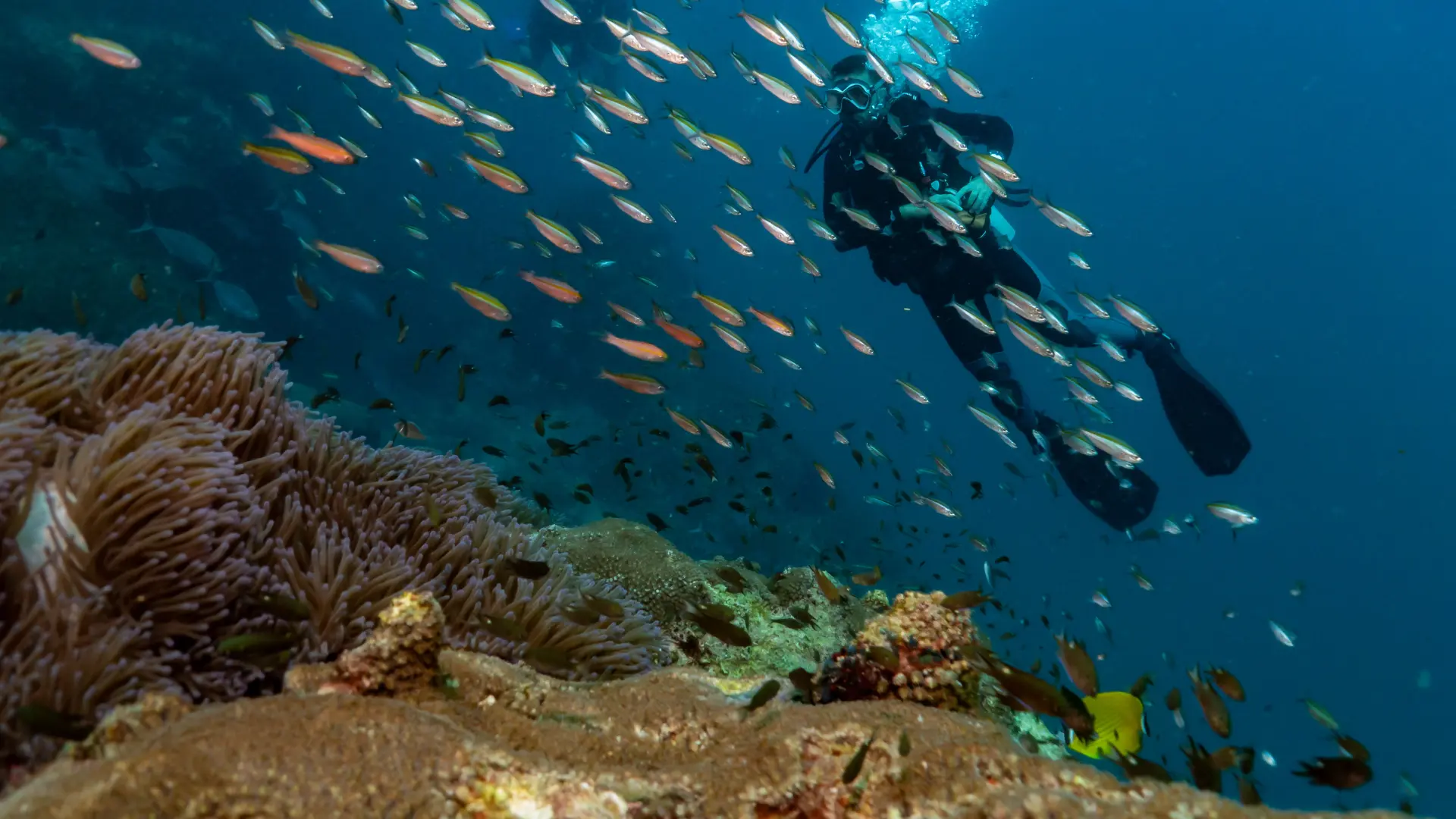
Best for: Full-day advanced diving, dramatic underwater topography and schooling pelagic fish
Located between Koh Tao and Koh Phangan, Sail Rock is one of the Gulf of Thailand’s most iconic dive sites. Although it is not directly off Koh Tao, it is a popular full-day diving trip and is widely regarded as one of the region’s best advanced recreational dive sites.
Its towering pinnacle rises from deep water and offers a combination of vertical walls, a famous swim-through, open-water pelagic life and multi-level dive profiles that appeal to both experienced recreational divers and underwater photographers.
The Famous Chimney
One of Sail Rock’s defining features is the Chimney, a vertical swim-through that many dive operators include when conditions are suitable. Depending on the entry and exit point, it generally extends from about 5–8 metres to 16–18 metres.
Because visibility, currents and diver experience vary, the exact route through the Chimney should always follow the dive guide’s briefing rather than an online description.
How Deep Is Sail Rock?
Sail Rock offers dive profiles across multiple depth levels. While much of the recreational diving takes place at moderate depths, the site’s deeper sections extend to approximately 40 metres.
Divers do not need to reach the deepest areas to experience the site’s highlights. The Chimney, upper walls and large schools of fish can often be enjoyed on shallower and intermediate-depth dive profiles.
Visibility note – Visibility at Sail Rock is commonly reported between 10 and 30 metres, although it varies with weather, currents, plankton levels and sea conditions. Because the site is fully exposed, trips may occasionally be postponed or cancelled when conditions are unsuitable.
Why Is Sail Rock Suitable for Advanced Divers?
Sail Rock is considered one of the Gulf of Thailand’s premier advanced recreational dive sites because it combines greater depths, exposed offshore conditions and varied underwater terrain. While divers can enjoy shallower sections, experienced divers have the opportunity to explore deeper areas and more challenging dive profiles when conditions allow.
Advanced divers benefit from:
- Dive profiles extending to approximately 40 metres
- The Chimney swim-through, which requires good buoyancy control and spatial awareness
- Changing currents and surface conditions that demand careful dive planning
- Multi-level dive profiles that require effective gas management and no-decompression planning
- Frequent encounters with schooling pelagic fish in an open-water environment
IMPORTANT NOTE – The dive profile should always be planned according to the day’s conditions, the dive briefing, and the diver’s certification and experience. Reaching the site’s maximum depth is not necessary to enjoy Sail Rock’s main attractions.
Marine Life at Sail Rock
Sail Rock is known for supporting some of the Gulf of Thailand’s most impressive fish life. Divers commonly encounter:
- Chevron barracuda
- Giant trevally
- Yellowtail barracuda
- Fusiliers
- Batfish
- Groupers
- Bluefin trevally
- Reef fish around the pinnacle
Large schools of fish often gather around the pinnacle, making Sail Rock a favourite destination for underwater photography and wide-angle marine life encounters.
Can You See Whale Sharks at Sail Rock?
Sometimes, but never guaranteed. Sail Rock is one of the Gulf of Thailand’s better-known locations for occasional whale shark sightings, particularly during seasonal migration periods. However, sightings are unpredictable and should always be viewed as a bonus rather than an expectation.
Most divers visit Sail Rock for its dramatic underwater topography, the Chimney swim-through and its exceptional fish life, regardless of whether a whale shark appears.
Sail Rock Trips with La Bombona Diving If you’re planning to dive Sail Rock from Koh Tao, La Bombona Diving offers a dedicated full-day Sail Rock trip every Friday for certified divers. The trip includes two guided dives, complete diving equipment, travel by private fast boat, breakfast, lunch, snacks and refreshments, making it a convenient way to experience one of the Gulf of Thailand’s premier dive sites. A typical Sail Rock day with La Bombona Diving includes:
La Bombona Diving also keeps dive groups small and provides guidance from experienced multilingual instructors, allowing divers to explore Sail Rock at a comfortable pace while maintaining high safety standards NOTE – Sail Rock trips are subject to sea and weather conditions. Departure times, schedules, pricing and availability may change, so always confirm the latest details directly with La Bombona Diving before making your reservation. |
Sail Rock vs Chumphon Pinnacle: Which Deep Dive Is Better?
Both Sail Rock and Chumphon Pinnacle are among the Gulf of Thailand’s premier advanced dive sites, but they offer different diving experiences. The better choice depends on what you want to see and the type of dive you’re looking for.
Feature | Sail Rock | Chumphon Pinnacle |
Location | Between Koh Tao and Koh Phangan | Northwest of Koh Tao |
Approximate depth | 5–40 m | 14–40 m |
Best for | Full-day diving, Chimney swim-through and schooling fish | Offshore pinnacle diving and large pelagic schools |
Signature feature | The famous Chimney | Massive granite pinnacle |
Marine life | Barracuda, trevally, fusiliers, batfish, groupers, occasional whale sharks | Chevron barracuda, giant trevally, batfish, occasional whale sharks |
Trip type | Full-day boat trip | Standard offshore dive trip from Koh Tao |
Suitable for | Advanced recreational divers seeking a full-day experience | Advanced recreational divers looking for pinnacle diving closer to Koh Tao |
Which One Should You Choose?
- Choose Chumphon Pinnacle if you want a classic offshore pinnacle dive with large schools of pelagic fish and a shorter boat journey from Koh Tao.
- Choose Sail Rock if you’re looking for a full-day diving adventure featuring the famous Chimney swim-through, dramatic underwater topography and one of the Gulf of Thailand’s most iconic dive sites.
Both sites can reach approximately 40 metres, but your actual dive depth should always remain within your certification, experience and the dive briefing provided by your instructor.
5. Hin Wong Pinnacle
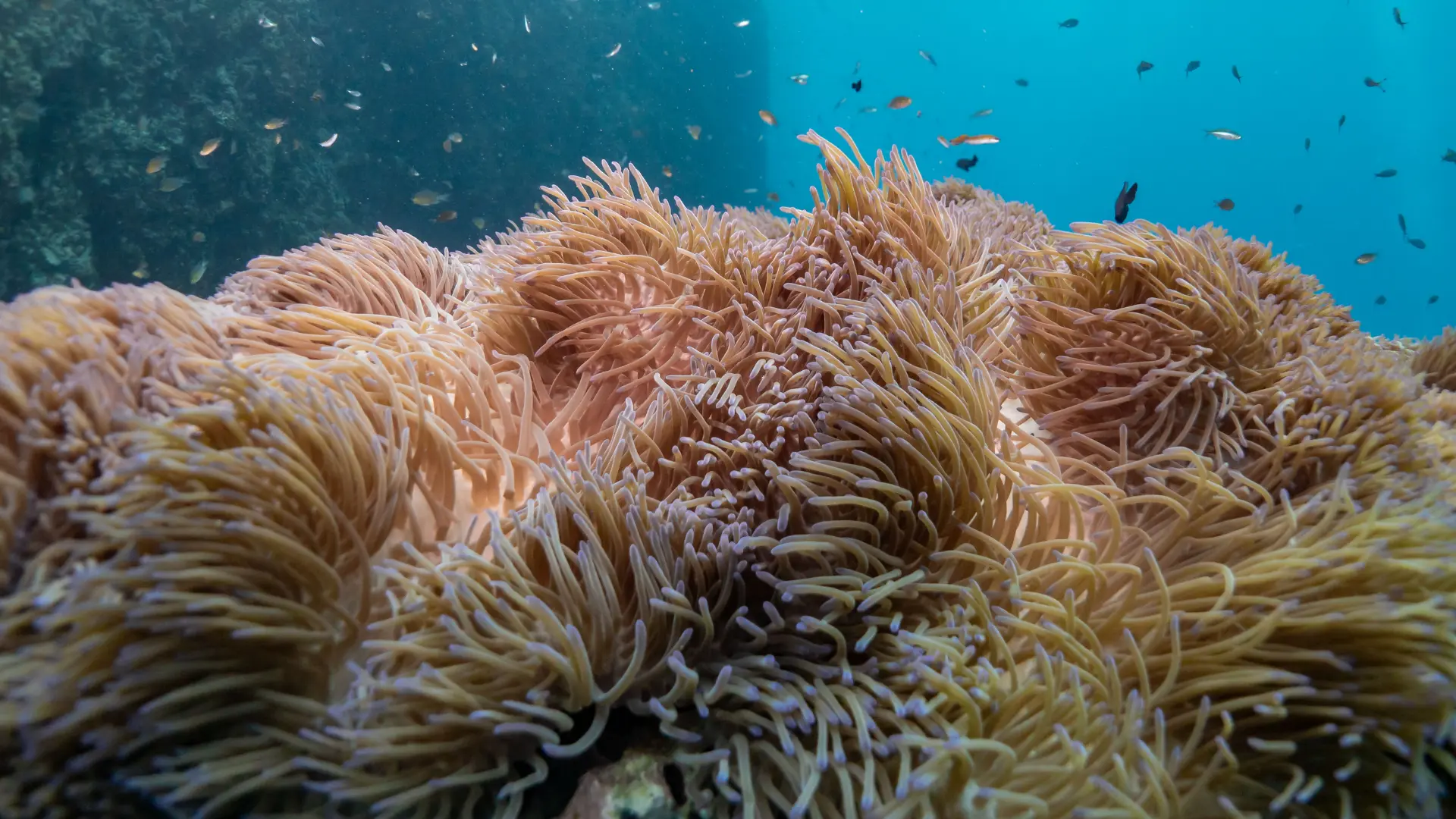
Best for: Experienced divers seeking a quieter advanced dive site
Located on the eastern side of Koh Tao, Hin Wong Pinnacle is a less frequently visited dive site that offers deeper granite formations, healthy coral growth and varied underwater terrain. It is sometimes chosen as an alternative when conditions are less favourable at Koh Tao’s western offshore sites or by divers looking for a quieter advanced dive experience.
How Deep Is Hin Wong Pinnacle?
Hin Wong Pinnacle typically begins at around 10 metres and extends to more than 30 metres, with some dive operators reporting maximum depths of approximately 40 metres in the surrounding seabed.
The site features large granite boulders, swim-throughs, sloping rock formations and coral-covered sections that create a varied dive profile across different depths.
Visibility note – Visibility at Hin Wong Pinnacle varies with weather, currents and plankton levels. Conditions can change quickly, particularly at deeper depths, so divers should always follow the dive briefing and remain close to their buddy.
Is Hin Wong Pinnacle a Good Option for Advanced Divers?
Yes, when conditions are suitable. Hin Wong Pinnacle is generally better suited to Advanced Open Water divers because of its deeper dive profiles, changing currents and occasional thermoclines.
Advanced divers benefit from:
- Dive profiles extending beyond 30 metres.
- Granite formations and varied underwater topography.
- Opportunities to practise buoyancy and navigation in changing conditions.
- Fewer dive boats than some of Koh Tao’s more popular offshore sites.
Although the site is often quieter, it should not be chosen for that reason alone. Currents, visibility and sea conditions can still make the dive challenging, and the planned route should always match the group’s experience and certification.
Marine Life at Hin Wong Pinnacle
Hin Wong Pinnacle supports a diverse range of marine life commonly found around Koh Tao’s deeper reefs. Divers may encounter:
- Schools of fusiliers
- Trevallies
- Snappers
- Groupers
- Butterflyfish and angelfish
- Sea fans and whip corals
- Colourful soft corals covering the granite formations
Depending on the season and conditions, larger pelagic species may occasionally pass through, although encounters are less predictable than at sites such as Chumphon Pinnacle or Sail Rock.
6. Shark Island
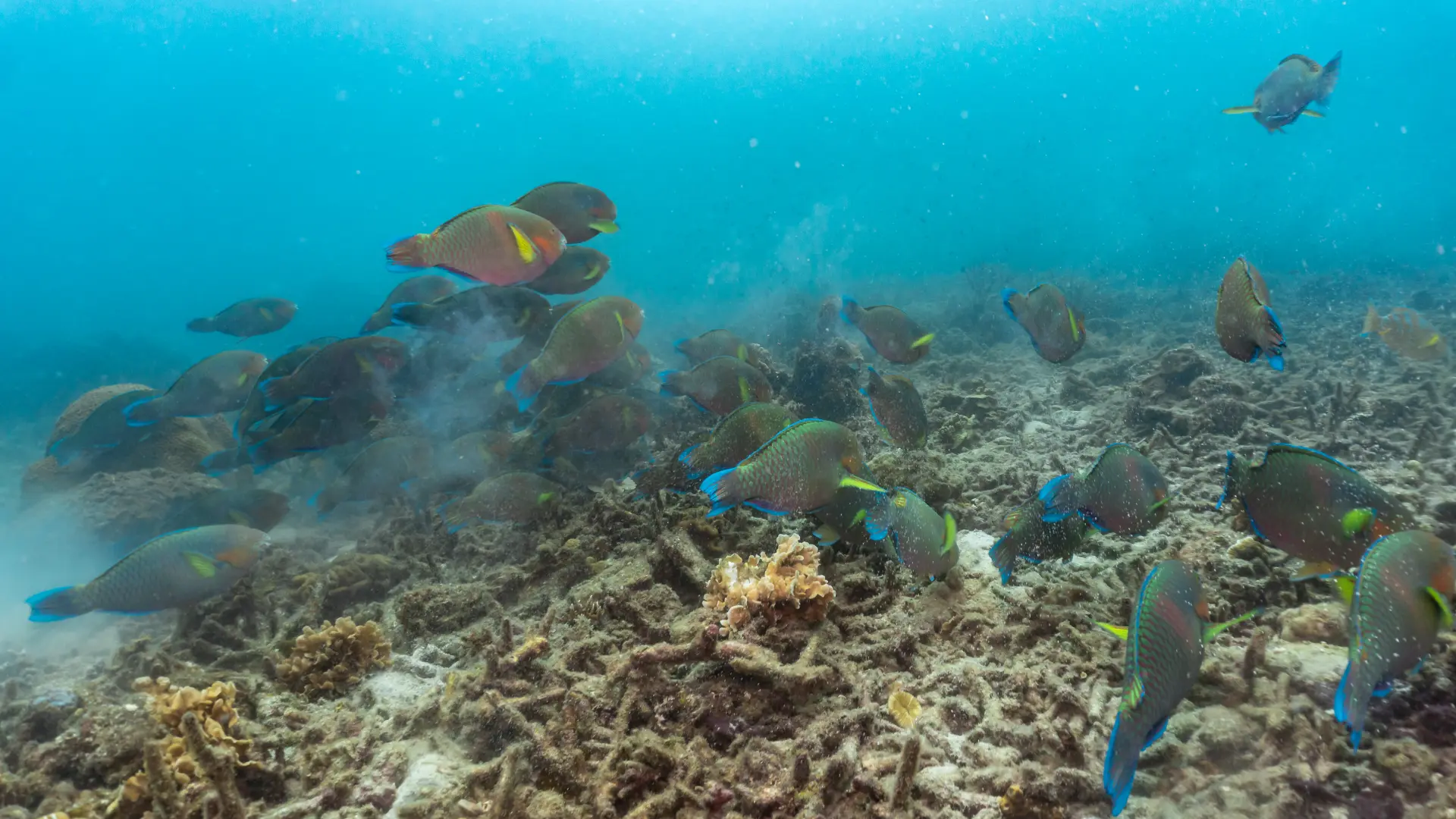
Best for: Stronger currents, healthy reefs and varied underwater topography
Despite its name, Shark Island is not primarily known for shark encounters. Instead, it is recognised for its dramatic rock formations, healthy coral reefs and conditions that can sometimes challenge even experienced recreational divers.
Located south of Koh Tao, the site features a surface-breaking granite pinnacle that descends to approximately 24–25 metres. While it is not one of the island’s deepest dive sites, changing currents and exposed conditions can make it a rewarding dive for confident certified divers.
How Deep Is Shark Island?
Shark Island offers dive profiles from the shallow reef to approximately 24–25 metres around the deeper rock formations and surrounding seabed.
The site’s underwater terrain includes granite boulders, coral-covered slopes and rocky outcrops, providing varied routes depending on the day’s conditions and the dive plan.
Visibility Note – Visibility at Shark Island varies with weather, currents and plankton levels. Surface conditions can also influence whether the site is suitable for diving on a particular day.
Is Shark Island a Good Option for Advanced Divers?
Yes, particularly for divers who are comfortable in currents. Although Shark Island is not considered one of Koh Tao’s deepest dive sites, it can provide an advanced recreational diving experience because of its exposed location and changing water conditions.
Advanced divers benefit from:
- Changing currents that may create drift-style diving opportunities.
- Varied underwater terrain with granite formations, reefs and rocky outcrops.
- Opportunities to practise buoyancy and navigation in dynamic conditions.
- A rewarding dive without spending the entire profile at deeper recreational depths.
Dive operators may choose an alternative site if currents or sea conditions make Shark Island unsuitable.
Marine Life at Shark Island
Shark Island supports a rich variety of reef life. Divers commonly encounter:
- Hard and soft corals
- Butterflyfish and angelfish
- Triggerfish
- Blue-spotted stingrays
- Green turtles and hawksbill turtles
- Moray eels
- Barracuda
- Schools of colourful reef fish
Although blacktip reef sharks are occasionally reported in the surrounding waters, sightings are uncommon, and the site’s name should not be interpreted as an indication that shark encounters are likely.
Other Advanced Wreck-Diving Locations Around Koh Tao
Beyond the above-mentioned dive sites, Koh Tao is home to two newer purpose-sunk wrecks that provide additional opportunities for advanced recreational diving.
HTMS Hanhak Sattru and HTMS Suphairin were intentionally scuttled in 2023 to expand artificial reef habitats, relieve pressure on natural reefs and create new wreck-diving attractions.
These sites are gradually developing into thriving artificial reefs and may be included on trips or training dives depending on sea conditions, diver certification and dive operator schedules. While they are less established than HTMS Sattakut, they offer experienced divers the opportunity to explore different wreck layouts and observe marine life as the ecosystems continue to develop.
HTMS Hanhak Sattru
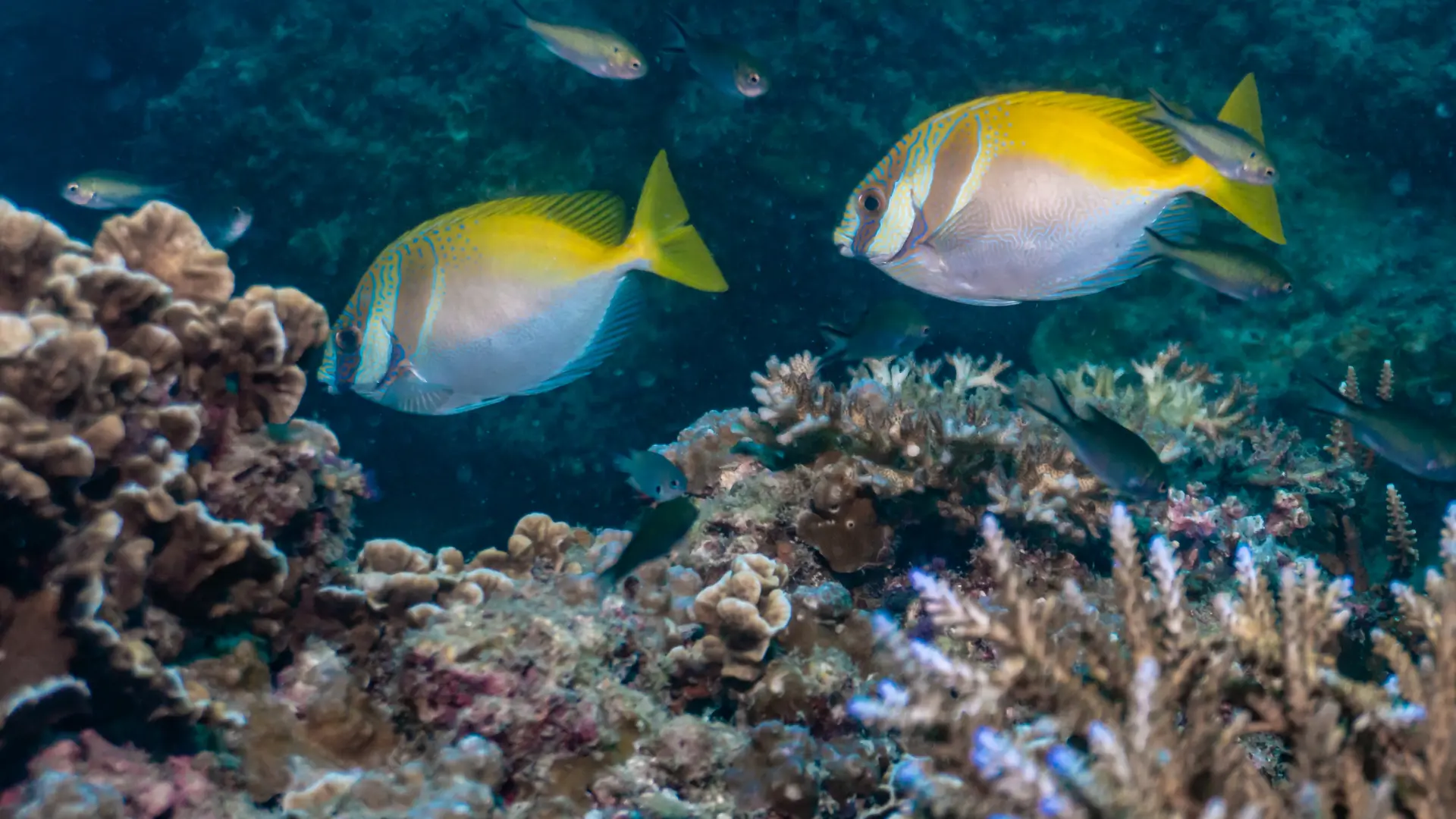
Best for: Exploring one of Koh Tao’s newer recreational wrecks
HTMS Hanhak Sattru is one of the newest purpose-sunk wrecks around Koh Tao, having been intentionally scuttled in 2023 to create an artificial reef and expand the island’s recreational wreck-diving opportunities.
Located in Aow Mao on the eastern side of Koh Tao, the 44.9-metre former Royal Thai Navy vessel rests upright on a sandy seabed at approximately 22–24 metres, while the highest parts of the wreck rise to around 13 metres below the surface. This creates a multi-level dive profile that allows qualified divers to explore different sections of the wreck without remaining at its deepest depth throughout the dive.
Why Is HTMS Hanhak Sattru Suitable for Advanced Divers?
HTMS Hanhak Sattru is well suited to Advanced Open Water divers because it combines moderate wreck depths with the opportunity to practise buoyancy, navigation and gas management around a large artificial structure.
Advanced divers benefit from:
- A multi-level wreck profile ranging from approximately 13 to 24 metres
- An upright vessel with clearly defined exterior features
- Opportunities to explore the hull, deck and superstructure while remaining in open water
- A quieter alternative to the more established HTMS Sattakut
- A developing artificial reef that continues to attract marine life
Although parts of the wreck are shallower than 18 metres, the planned dive should always remain within the diver’s certification, experience and the dive operator’s briefing.
Marine Life Around HTMS Hanhak Sattru
As the wreck continues to develop into an artificial reef, it is becoming home to an increasing variety of marine life. Divers may encounter:
- Schools of fusiliers
- Snappers
- Bannerfish
- Groupers
- Angelfish and other reef fish
- Juvenile reef species using the structure for shelter
Marine life is expected to become more diverse over time as corals and other marine organisms continue to colonise the wreck, making each visit slightly different from the last.
IMPORTANT: HTMS Hanhak Sattru is a recreational wreck dive. Entering enclosed areas or attempting wreck penetration should only be undertaken by divers with appropriate wreck-diving training, suitable equipment and in accordance with the dive operator’s procedures.
HTMS Suphairin
Best for: Multi-level recreational wreck diving and artificial reef exploration
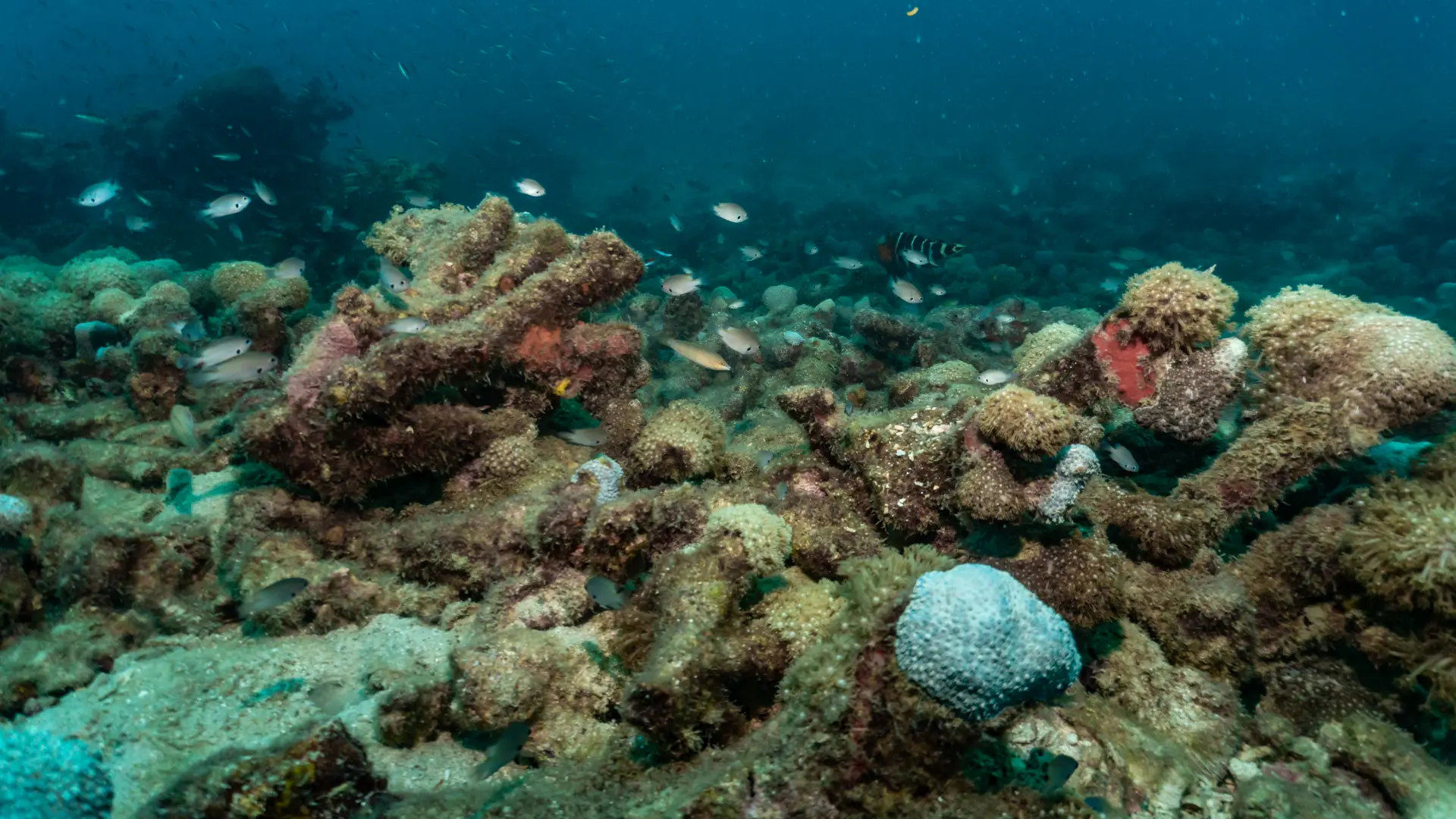
HTMS Suphairin is one of Koh Tao’s newer recreational wreck dives, offering a multi-level dive profile and the opportunity to explore a purpose-sunk Royal Thai Navy vessel that is gradually developing into an artificial reef.
Published site descriptions generally place the wreck’s recreational depth range between approximately 16 and 28 metres. The surrounding seabed is around 26 metres, while the highest parts of the wreck, including sections of the superstructure or mast, rise to approximately 11 metres below the surface. These measurements refer to different parts of the vessel rather than a single fixed diving depth.
Why Is HTMS Suphairin Suitable for Advanced Divers?
HTMS Suphairin is well suited to Advanced Open Water divers because much of the wreck extends beyond the standard Open Water depth limit and requires careful dive planning.
Advanced divers benefit from:
- A multi-level wreck profile extending to approximately 28 metres
- Opportunities to explore the exterior hull, deck and superstructure
- Experience managing gas consumption and no-decompression limits during deeper dives
- A developing artificial reef supporting an increasing variety of marine life
- An alternative wreck-diving experience alongside Koh Tao’s more established wreck sites
Divers should always remain within their certification limits and follow the dive briefing, planned route and the day’s conditions.
Marine Life Around HTMS Suphairin
As the wreck continues to mature into an artificial reef, it attracts a growing diversity of marine life. Divers may encounter:
- Schools of fusiliers
- Snappers
- Trevallies
- Bannerfish
- Groupers
- Reef fish sheltering around the hull and superstructure
Over time, corals, sponges and other marine organisms will continue to colonise the wreck, making it an increasingly attractive habitat for marine life.
IMPORTANT – Exploring the exterior of the wreck is very different from wreck penetration. Divers should only enter enclosed spaces if they have appropriate wreck-diving training, suitable equipment and are diving in accordance with the dive operator’s procedures.
Wreck | Approximate depth | Best suited to | Main distinction |
HTMS Hanhak Sattru | Approximately 13–24 m | Advanced divers seeking a newer wreck | Multi-level profile on the quieter eastern side |
HTMS Suphairin | Approximately 16–28 m, with upper structures potentially shallower | Advanced divers comfortable monitoring depth | Substantial newer wreck and artificial-reef habitat |
How To Choose the Right Koh Tao Advanced Dive Site?
The best advanced dive site in Koh Tao depends on your certification level, diving experience, interests and the day’s conditions. While some sites are known for offshore pinnacles and large schools of pelagic fish, others are better suited for wreck diving, multi-level dive profiles or challenging currents. Choosing a site that matches your experience and dive goals helps ensure a safer and more enjoyable dive.
Use the table below to compare Koh Tao’s leading advanced dive sites based on the type of experience you’re looking for.
Your priority | Site to consider |
Large schools of fish | Chumphon Pinnacle or Sail Rock |
Multi-level pinnacle diving | Southwest Pinnacle |
Recreational wreck experience | HTMS Sattakut |
Alternative deeper eastern site | Hin Wong Pinnacle |
Current and reef topography | Shark Island |
Full-day destination trip | Sail Rock |
Newly advanced diver | Southwest Pinnacle or a conservative Chumphon profile in suitable conditions |
Experienced deep diver | Chumphon, Hin Wong or deeper Sail Rock routes within certification limits |
Newer wreck with a moderate multi-level profile | HTMS Hanhak Sattru |
Larger newer wreck with deeper exterior areas | HTMS Suphairin |
Koh Tao Deep Dive Conditions and Visibility
Deep diving conditions in Koh Tao vary throughout the year and can change from one dive site to another on the same day. Visibility, currents and sea conditions are influenced by weather, wind direction, plankton blooms and the site’s location, making flexibility an important part of dive planning.
What Affects Deep Diving Conditions in Koh Tao?
Several factors can influence the conditions at Koh Tao’s advanced dive sites:
- Visibility: Can range from 5 to 40 metres, depending on the season, plankton levels and recent weather.
- Currents: Offshore sites such as Chumphon Pinnacle, Sail Rock and Shark Island may experience stronger currents than sheltered inshore reefs.
- Surface conditions: Wind and wave height can affect boat access and whether certain dive sites are suitable on a particular day.
- Thermoclines: Temperature changes at deeper depths may occasionally reduce visibility or alter water temperature during a dive.
Why Conditions Matter for Advanced Divers?
Even experienced divers should avoid choosing a dive site based solely on its maximum depth. The best advanced dive site on any given day is often the one offering conditions that match the diver’s certification, experience and comfort level.
Before every dive, your dive centre will assess the weather, sea state and visibility to select an appropriate site and dive profile.
Tip – Always follow your dive guide’s briefing. Planned depth, route and bottom time may be adjusted to suit the day’s conditions, diver experience and safe recreational diving practices.
What Certification Do You Need for Deep Diving in Koh Tao?
The certification required for deep diving in Koh Tao depends on your planned depth and the type of dive, not the dive site itself. While some advanced dive sites can be explored on shallower profiles, deeper dives, wreck dives and overhead environments require additional training and certification.
Use the table below as a general guide. Individual dive operators may apply additional requirements based on your experience, recent diving history and the day’s conditions.
Planned dive | Appropriate qualification or consideration |
Up to 18 metres | RAID Open Water or an equivalent entry-level certification |
18–30 metres | RAID Explorer 30 or an equivalent Advanced Open Water certification permitting the planned depth |
30–35 metres | A recognised certification specifically qualifying divers to 35 metres |
35–40 metres | A recognised deep-diving certification permitting dives to 40 metres |
Wreck exterior | Certification appropriate for the planned depth, plus good buoyancy control and relevant experience |
Wreck penetration | Specialist wreck-diving and overhead-environment training |
Planned decompression or dives beyond recreational limits | Appropriate technical-diving training, equipment and procedures |
How Does RAID Explorer 30 Prepare You for Advanced Diving?
RAID Explorer 30 prepares divers to safely explore recreational dive sites to a maximum depth of 30 metres, provided the dive conditions are similar to those experienced during training. The course builds the practical skills needed for deeper recreational diving, including improved buoyancy control, underwater navigation, dive planning and depth awareness.
At La Bombona Diving, the Explorer 30 course includes five training dives covering buoyancy, navigation, night diving, deep diving and an introductory wreck dive. These dives are designed to help divers develop the confidence and skills required for many of Koh Tao’s advanced recreational dive sites, including offshore pinnacles and recreational wrecks, while remaining within recreational depth limits.
IMPORTANT – Completing RAID Explorer 30 does not automatically qualify a diver for every advanced dive site or dive profile. The appropriate dive always depends on your certification, recent experience, air consumption, sea conditions and the dive operator’s assessment. Some activities, such as wreck penetration or dives beyond 30 metres, require additional specialist training and certification.
Essential Deep Diving Equipment
- Dive computer: Mandatory for depth and bottom time monitoring
- Surface marker buoy (SMB): Required for safe ascents in open water
- Torch/flashlight: Essential for wreck exploration and deep water visibility
- Reef hook: Helpful in current-prone areas like Sail Rock
- Emergency whistle: Surface safety in high-traffic boat areas
Pre-Dive Safety Protocols
Before attempting any of the best deep dive sites Koh Tao features, ensure you have recent diving experience and feel comfortable with advanced skills like controlled ascents, navigation, and emergency procedures. Many operators require proof of recent deep diving experience or refresher sessions. For those considering different skill levels, check out our guide to diving in Koh Tao for different experience levels.
Summing Up
Koh Tao offers some of Thailand’s best advanced recreational diving, with dive sites ranging from offshore pinnacles and dramatic granite formations to historic wrecks and full-day trips such as Sail Rock. The best dive site ultimately depends on your certification, experience, dive objectives, and the conditions on the day, not simply the maximum depth.
Experience the Best Deep Dive Sites Koh Tao with La Bombona Diving
Ready to explore Thailand’s most spectacular deep diving adventures? La Bombona Diving specialises in advanced diving experiences, offering expert guidance to the best deep dive sites Koh Tao has to offer. Our experienced divemasters know these challenging locations intimately and prioritise your safety while maximising your underwater adventure.
- Experienced guides familiar with all deep sites
- Advanced diving equipment included
- Small group sizes for personalised attention
- Safety-first approach to challenging dives
- Flexible scheduling for optimal conditions
- Professional underwater photography available
Book Your Deep Dive Adventure Today!
Frequently Asked Questions (FAQs)
 EN
EN  ES
ES