
Koh Tao stands out as one of the world’s premier destinations for sidemount diving, offering exceptional training opportunities, diverse marine life, and challenging dive sites perfect for technical diving advancement. With world-class facilities, experienced instructors, and sites like Chumphon Pinnacle and Sail Rock, Koh Tao provides the ideal environment for mastering sidemount techniques while experiencing some of Thailand’s most spectacular underwater landscapes.
Sidemount diving represents a significant evolution in technical diving, offering enhanced flexibility, improved safety margins, and extended bottom times compared to traditional back-mounted configurations. For divers seeking to advance their technical skills, Koh Tao provides an unparalleled combination of training facilities, diverse dive sites, and optimal conditions for mastering this specialized diving technique.
Why Koh Tao is Perfect for Sidemount Technical Diving
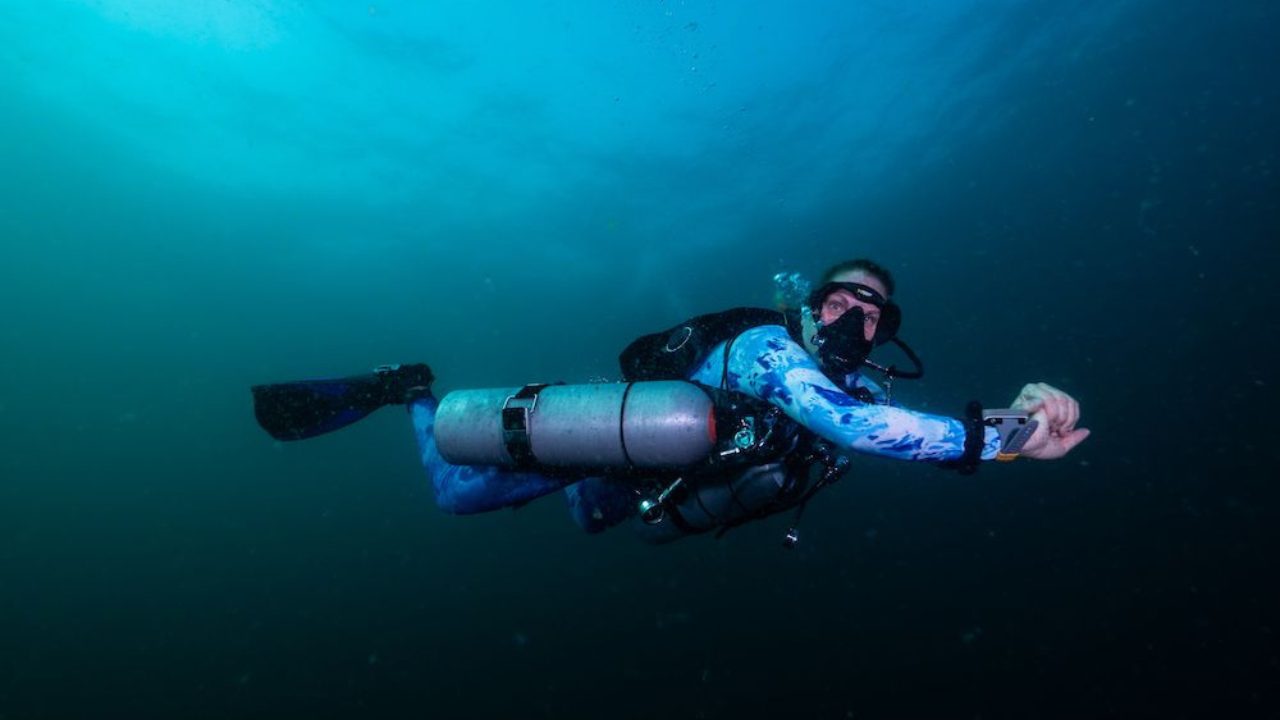
Koh Tao’s reputation as a world-class diving destination extends far beyond basic certification courses. The island’s unique geographic position in the Gulf of Thailand creates ideal conditions for technical diving advancement, particularly for sidemount configurations. The combination of calm, clear waters with visibility often exceeding 25 meters, diverse marine ecosystems, and challenging technical dive sites makes Koh Tao an exceptional training ground for sidemount diving. Professional dive centers like La Bombona Diving offer comprehensive technical training programs with experienced instructors who specialize in advanced diving techniques.Optimal Training Conditions
Koh Tao’s protected waters provide consistent diving conditions throughout most of the year, allowing for focused skill development without the variables of challenging surface conditions. The island’s numerous shallow practice sites enable thorough equipment familiarization before progressing to deeper, more technical environments.Essential Sidemount Diving Benefits
Enhanced Flexibility and Movement
Sidemount configuration eliminates back-mounted tanks, providing unrestricted movement through tight spaces, caves, and wreck penetrations. This positioning allows for superior trim control and natural swimming posture.
Improved Safety and Redundancy
Carrying two independent air supplies with separate regulators provides complete redundancy. Each tank can be monitored individually, and gas management becomes more precise and controlled.
Extended Bottom Time
Dual tank configuration provides substantially more breathing gas, enabling longer exploration times on technical dives and reducing surface intervals between multiple dive sequences.
Superior Buoyancy Control
Lower center of gravity and balanced tank positioning creates exceptional stability and precise buoyancy control, essential for technical diving environments requiring exact positioning.
Complete Sidemount Equipment Configuration
Essential Sidemount Diving Equipment
Harness and Buoyancy System
- Specialized sidemount harness with adjustable tank attachment points
- Low-profile BCD designed for sidemount configuration
- Proper weight distribution system
- Backup buoyancy devices for technical diving
Breathing Systems
- Two complete regulator sets with environmental sealing
- Long hose configuration (2.1m/7ft primary regulator)
- Backup regulator with standard hose length
- Regulator switching blocks for gas management
Tank Configuration
- Aluminum or steel tanks appropriate for dive requirements
- Tank attachment hardware (bungee cords, clips)
- Tank valve shutoff procedures and accessibility
- Proper tank marking and gas identification
Navigation and Safety
- Advanced dive computer with multi-gas capability
- Backup depth gauge and timer
- Underwater communication devices
- Emergency signaling equipment
Premier Sidemount Diving Locations in Koh Tao
Chumphon Pinnacle
12-35 meters
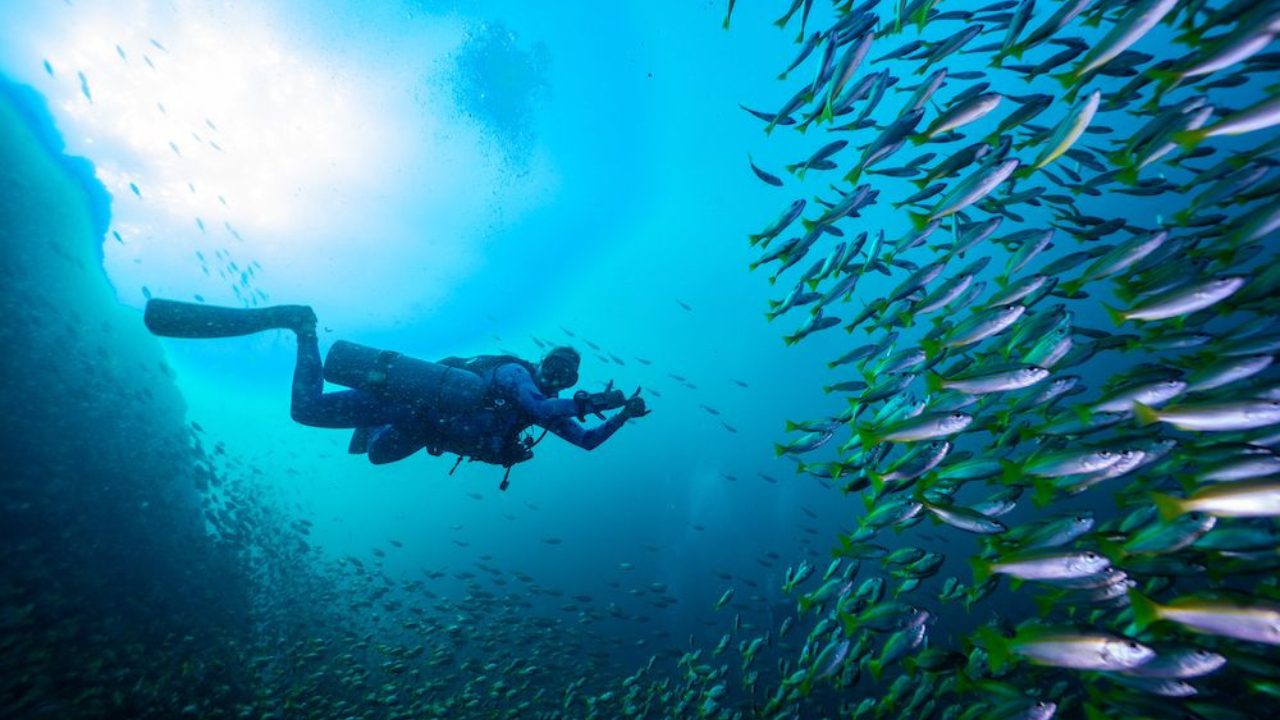
Koh Tao’s most famous technical dive site features towering granite pinnacles covered in colorful soft corals. Multiple swim-throughs and caverns provide excellent sidemount training opportunities, while large pelagic species including whale sharks frequent the area.
Best for: Intermediate to advanced sidemount training, navigation practice, and marine life observation.
Southwest Pinnacle
5-30 meters
Multiple submerged pinnacles rising from sandy bottom create a complex three-dimensional diving environment. Excellent for practicing advanced buoyancy control and precise positioning required in sidemount configuration.
Best for: Skill development, underwater photography, and extended bottom time practice.
Shark Island
5-25 meters
Varied topography with both shallow coral gardens and deeper sections provides excellent progression opportunities for sidemount divers. Protected location offers consistent conditions for technical skill development.
Best for: Equipment familiarization, basic sidemount techniques, and controlled environment training.
Sail Rock
5-40 meters
Considered the Gulf of Thailand’s premier dive site, featuring the famous “Chimney” swim-through. Advanced sidemount divers can safely navigate this vertical passage while experiencing world-class marine biodiversity.
Best for: Advanced sidemount techniques, penetration diving, and challenging navigation scenarios.
Mastering Sidemount Challenges
Common Sidemount Diving Challenges
Sidemount diving presents unique challenges that require dedicated practice and proper instruction. Understanding these challenges beforehand enables more effective skill development and safer diving practices.
Buoyancy Control Mastery
Sidemount configuration significantly alters center of gravity and buoyancy characteristics compared to traditional back-mounted systems. The lateral tank positioning requires precise weight distribution and trim adjustments to achieve optimal underwater positioning.1
Practice in Confined Water
Master basic hovering and trim before progressing to open water environments.
2
Gradual Weight Adjustment
Fine-tune weight distribution through multiple practice sessions rather than dramatic changes.
3
Tank Positioning Awareness
Maintain consistent tank placement throughout the dive for predictable buoyancy characteristics.
4
Breathing Pattern Control
Develop awareness of how breathing affects buoyancy in sidemount configuration.
Streamlining and Efficiency
Achieving proper streamlining in sidemount configuration requires attention to equipment positioning, body posture, and movement techniques. Proper streamlining reduces drag, conserves energy, and improves overall diving efficiency.| Streamlining Element | Proper Technique | Common Mistakes | Impact on Performance |
|---|---|---|---|
| Tank Position | Parallel to body, secure attachment | Loose tanks, improper angle | Reduces drag, improves stability |
| Hose Management | Secured close to body | Dangling hoses, poor routing | Prevents entanglement, cleaner profile |
| Body Position | Horizontal trim, relaxed posture | Head-up position, tense muscles | Efficient movement, reduced fatigue |
| Fin Technique | Controlled, precise movements | Excessive finning, poor timing | Better propulsion, less disturbance |
Gas Management in Sidemount Diving
Effective gas management becomes more complex in sidemount configuration due to dual tank systems. Proper planning and execution ensure adequate gas supply throughout the dive while maintaining balanced buoyancy characteristics.Strategic Gas Planning
- Pre-dive calculations: Plan gas consumption based on dive profile, depth, and duration
- Tank rotation schedule: Establish regular switching intervals to maintain balance
- Reserve gas management: Maintain adequate reserves in both tanks for emergency ascent
- Pressure monitoring: Regularly check both tanks throughout the dive
Pre-Dive Safety Protocol
Complete equipment inspection and function check
Proper buddy check including emergency procedures
Gas analysis and tank pressure verification
Dive plan review including emergency protocols
Environmental condition assessment
Emergency contact and surface support confirmation
Post-Dive Procedures and Equipment Care
Proper post-dive procedures ensure both diver safety and equipment longevity. Sidemount equipment requires specific care protocols due to its complexity and critical safety functions. Understanding marine conservation practices is also essential for responsible technical diving.Equipment Maintenance
- Thorough freshwater rinse of all components
- Complete drying before storage to prevent corrosion
- Regular inspection of harness webbing and hardware
- Regulator service according to manufacturer specifications
- Tank visual inspection and hydrostatic testing schedules
Health and Safety Monitoring
Post-dive health monitoring becomes especially important in technical diving scenarios. Watch for signs of decompression stress, equipment-related pressure points, and overall physical condition after extended bottom times.🌊 Master Sidemount Diving with La Bombona Diving Koh Tao
Ready to advance your technical diving skills with the best sidemount diving Koh Tao has to offer?
La Bombona Diving specializes in advanced technical diving education, offering comprehensive sidemount courses with experienced instructors and state-of-the-art equipment. Getting to Koh Tao is easier than ever with our comprehensive travel guide from anywhere in Thailand.
- RAID certified sidemount specialty courses
- Expert technical diving instructors
- Complete equipment configuration training
- Access to premier technical dive sites
- Small class sizes for personalized instruction
- Advanced safety protocols and emergency procedures
- Professional equipment maintenance and support
- Flexible scheduling for intensive training programs
Advanced Explorer Course: ฿10,000 – 5 dives including day and night diving over 2 days
Start Your Advanced Training TodayProfessional instruction | All equipment included | RAID certification available
Frequently Asked Questions
What certification do I need for sidemount diving in Koh Tao?
You need a sidemount specialty certification from a recognized training agency like RAID, PADI, or SSI. The course includes theoretical knowledge, confined water practice, and open water training dives to master sidemount techniques. Most courses require Advanced Open Water certification as a prerequisite.
When is the optimal time for sidemount diving in Koh Tao?
The best conditions for sidemount diving in Koh Tao occur from March through September, offering calm seas and excellent visibility. However, sidemount diving is possible year-round, with each season providing unique advantages for skill development and marine life encounters. For detailed seasonal information, check our complete diving season guide.
How does sidemount diving compare to traditional back-mounted diving?
Sidemount offers enhanced flexibility, improved safety through redundancy, better access to tank valves, and superior trim control. However, it requires more complex equipment configuration and additional training. The technique is particularly advantageous for technical diving, cave diving, and wreck penetration.
What should I do if I encounter equipment problems during sidemount diving?
Sidemount configuration provides excellent redundancy for equipment failures. Signal your buddy immediately, assess the problem, and switch to your backup air supply if needed. The independent tank system allows continued diving on one tank while addressing issues with the other. Always follow your training protocols and surface if the problem cannot be safely resolved underwater.
How can I improve my buoyancy control in sidemount configuration?
Buoyancy control in sidemount requires dedicated practice and attention to tank positioning, weight distribution, and breathing patterns. Start with confined water practice, make gradual equipment adjustments, and focus on maintaining horizontal trim. Regular practice and professional instruction are essential for mastering sidemount buoyancy techniques.
 EN
EN  ES
ES