

Scuba diving burns 300-700 calories per hour depending on water temperature, diving conditions, and your body weight. Cold water diving significantly increases calorie expenditure, while factors like current strength, equipment handling, and diving technique all impact your underwater workout intensity.
Scuba diving provides an exceptional combination of adventure and exercise that many people don’t realize qualifies as a serious workout. While exploring Koh Tao’s incredible marine life, you’re simultaneously engaging in cardiovascular exercise, strength training, and endurance conditioning that can rival traditional gym workouts.
Understanding how many calories you burn while diving helps you better prepare for dive days, maintain proper nutrition, and appreciate the physical benefits of your underwater adventures. Whether you’re planning to visit Koh Tao’s top dive sites or simply curious about diving’s fitness benefits, this comprehensive guide covers everything you need to know.
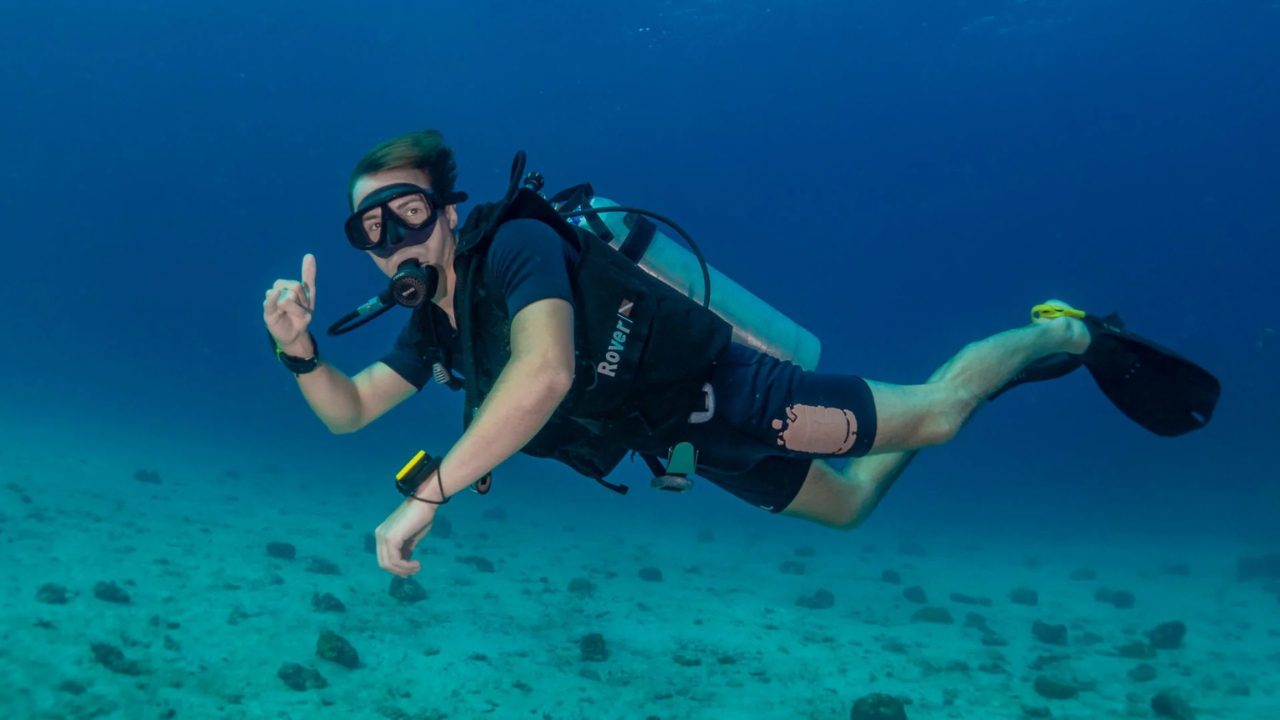
How Many Calories Does Scuba Diving Burn?
The calorie burn from scuba diving varies significantly based on multiple factors, but research and diving physiology studies provide clear ranges for different conditions:| Diving Conditions | Calories per Hour | Equivalent Activity | Intensity Level |
|---|---|---|---|
| Warm Water (Tropical) | 300-400 | Brisk walking | Moderate |
| Cold Water Diving | 500-700 | Cycling (12-14 mph) | High |
| Drift Diving | 400-500 | Swimming laps | Moderate-High |
| Strong Current Conditions | 600-800 | Running (6 mph) | High |
| Shore Diving with Gear | 400-600 | Hiking with pack | Moderate-High |
Interactive Calorie Calculator
Calculate Your Diving Calorie Burn
Estimate how many calories you’ll burn based on your specific diving conditions:0 Calories
That’s equivalent to:
Why Scuba Diving Burns So Many Calories
Several unique physiological and physical factors make diving a surprisingly demanding activity that burns significant calories:Thermal Regulation
Your body constantly works to maintain core temperature underwater. Even in tropical waters around 26-28°C, heat loss occurs 25 times faster than in air, requiring continuous metabolic energy to compensate.
Equipment Weight
Carrying and maneuvering 40-60 pounds of dive gear requires significant muscle engagement. From walking to entry points to maintaining position underwater, equipment weight adds substantial physical demands.
Water Resistance
Water provides 800 times more resistance than air. Every movement becomes a strength exercise, engaging multiple muscle groups simultaneously while swimming, adjusting position, or fighting currents.
Breathing Work
Breathing compressed air requires additional effort. Your respiratory muscles work harder to move denser gas, and maintaining controlled breathing patterns demands conscious energy expenditure.
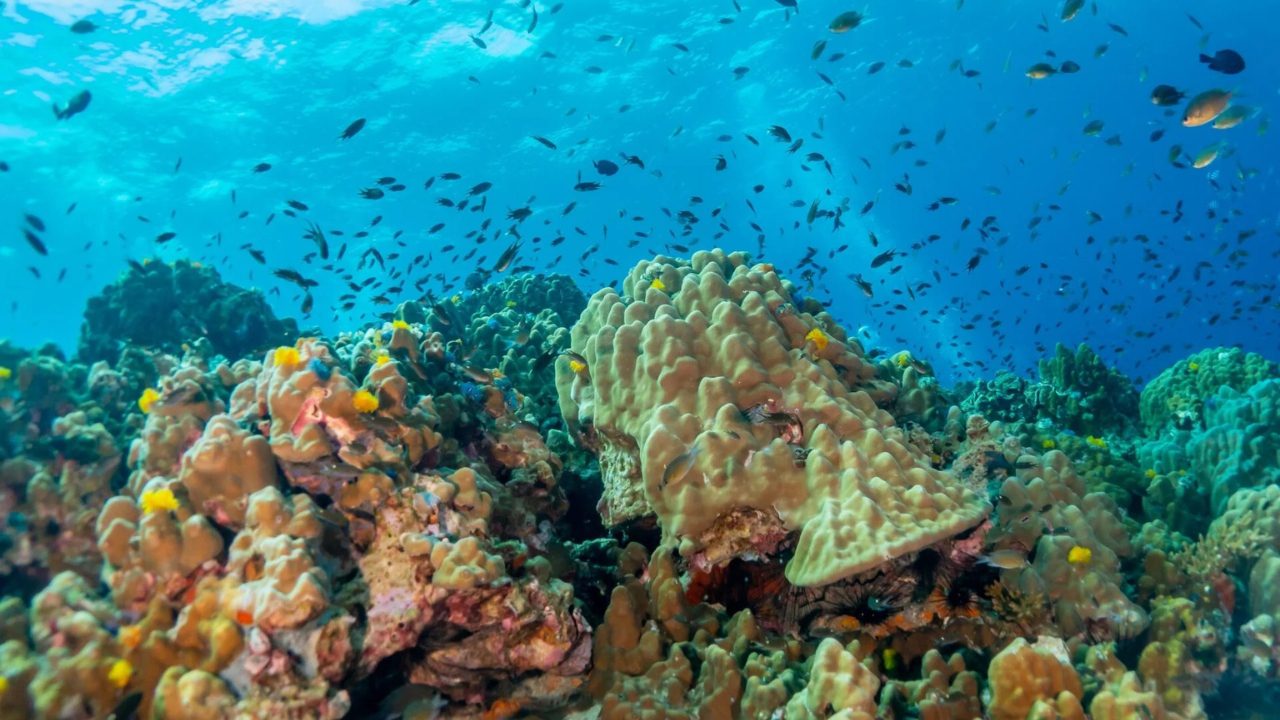
Factors That Maximize Your Calorie Burn
Water Temperature: The Primary Driver
Water temperature represents the single most significant factor affecting calories burned while diving. Cold water dramatically increases calorie expenditure as your body’s heating system works overtime to maintain core temperature. This process, called thermogenesis, can add 200-400 calories per hour to your baseline expenditure even before you feel cold. When planning diving adventures, consider that Koh Tao’s water temperatures remain consistently warm year-round, typically ranging from 26-30°C, which provides moderate calorie burn perfect for comfortable, extended diving.Current and Environmental Conditions
Water movement significantly affects your workout intensity:- No current: Baseline calorie burn from thermal regulation and equipment handling
- Mild current: 15-25% increase in energy expenditure from position maintenance
- Moderate current: 50-75% increase as muscles work against water movement
- Strong current: Can double calorie burn as you actively swim against flow
Diving Technique and Experience Level
Your skill level directly impacts energy expenditure. Experienced divers with excellent buoyancy control and efficient movement patterns burn fewer calories than beginners who make frequent adjustments, overweight themselves, or use inefficient swimming techniques. New divers benefit from taking comprehensive courses that teach energy-efficient techniques. Koh Tao offers diving programs for all experience levels, helping you develop skills that make diving both safer and less physically demanding.Maximizing Your Underwater Workout
Shore Diving vs. Boat Diving
Shore diving generally burns more calories than boat diving due to additional physical demands:- Walking in full gear to entry points
- Swimming longer distances to reach dive sites
- Managing surf or currents during entry/exit
- Carrying equipment over varied terrain
Diving Activities That Increase Intensity
Certain diving specialties naturally increase calorie burn:- Underwater photography: Constant position adjustments and fine motor control
- Drift diving: Working with and against currents
- Cave or wreck diving: Precise maneuvering in confined spaces
- Deep diving: Increased gas density and thermal challenges
- Night diving: Enhanced awareness and controlled movements
Nutrition for Optimal Dive Performance
Fueling Your Underwater Workouts
With potentially 600-1,400 calories burned during a two-dive day, proper nutrition becomes crucial for maintaining energy, safety, and enjoyment. Your nutritional strategy should account for the unique demands of diving:- Pre-dive (2-3 hours before): Consume balanced meals with complex carbohydrates and lean protein. Avoid heavy, fatty foods that slow digestion.
- Surface intervals: Light snacks and plenty of fluids to maintain blood sugar and prevent dehydration. Fresh fruit, nuts, or energy bars work well.
- Post-dive recovery: Combine carbohydrates and protein within 30 minutes to support muscle recovery and glycogen replenishment.
- Hydration focus: Dehydration increases decompression sickness risk. Drink water regularly throughout dive days.
- Avoid alcohol: Alcohol impairs temperature regulation and increases dehydration, amplifying diving risks.
Understanding Diving Fatigue
The combination of calorie burn, thermal stress, and mental demands explains why divers often feel surprisingly tired after dive days. This fatigue results from:- Thermal stress from temperature regulation
- Physical exertion from equipment handling and swimming
- Breathing compressed air under pressure
- Nitrogen absorption affecting mental alertness
- Heightened awareness and concentration underwater
🏊♂️ Start Your Underwater Fitness Journey in Koh Tao!
Ready to burn calories while exploring one of the world’s most beautiful diving destinations?
La Bombona Diving offers the perfect introduction to scuba diving’s fitness benefits. Our experienced instructors ensure you develop efficient techniques that maximize enjoyment while providing excellent exercise in Koh Tao’s warm, clear waters.
- Learn proper techniques for energy-efficient diving
- Explore diverse dive sites with varying physical demands
- Small class sizes for personalized fitness coaching
- Flexible scheduling to fit your fitness goals
- Equipment included – start your underwater workout immediately
- Access to Koh Tao’s best calorie-burning dive sites
Try Dive Experience: ฿2,500 Perfect for testing diving’s fitness benefits with professional guidance
Book Your Underwater Workout TodayFull day experience | All equipment included | Professional instruction
Frequently Asked Questions
 EN
EN  ES
ES